Bringing Bronchoscopy Closer to Patients: The Kakamega Bronchoscopy Camp
For a patient living with unexplained respiratory symptoms, getting the right diagnosis can sometimes feel like a long journey.
Persistent cough, difficulty breathing, recurrent infections, or an abnormal finding on a scan can raise important questions that cannot always be answered through routine investigations alone. In some cases, clinicians need to look deeper - to examine the airways, obtain appropriate samples, and gather the information needed to understand what is affecting the patient.
It is in these moments that access to specialized respiratory services can make a meaningful difference.
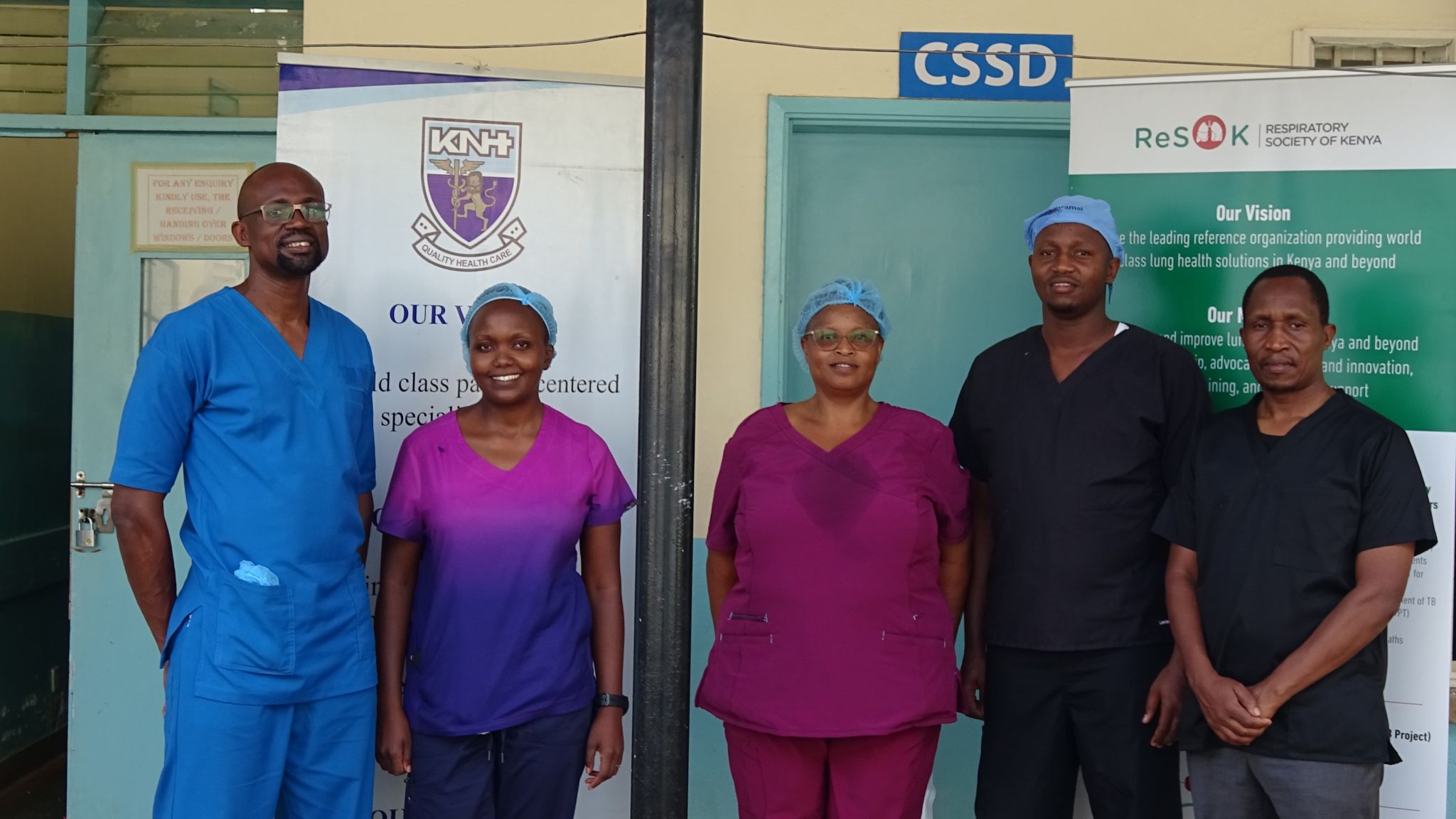
This was the focus of the two-day Bronchoscopy Camp at Kakamega County General Teaching and Referral Hospital, where ReSoK brought specialized respiratory expertise closer to patients requiring further evaluation of complex lung conditions.
The camp formed part of ReSoK's continued efforts to support earlier diagnosis and appropriate management of lung disease while creating opportunities for healthcare professionals to learn, collaborate, and strengthen the delivery of respiratory care within their own settings.
Bringing Specialized Care Closer
Access to specialized procedures is an important part of the lung health journey.
For patients who require bronchoscopy, reaching a facility where the procedure is available can be an additional challenge. Distance, referral processes, costs, and limited access to specialized services can all influence how quickly a patient moves from suspicion to diagnosis.
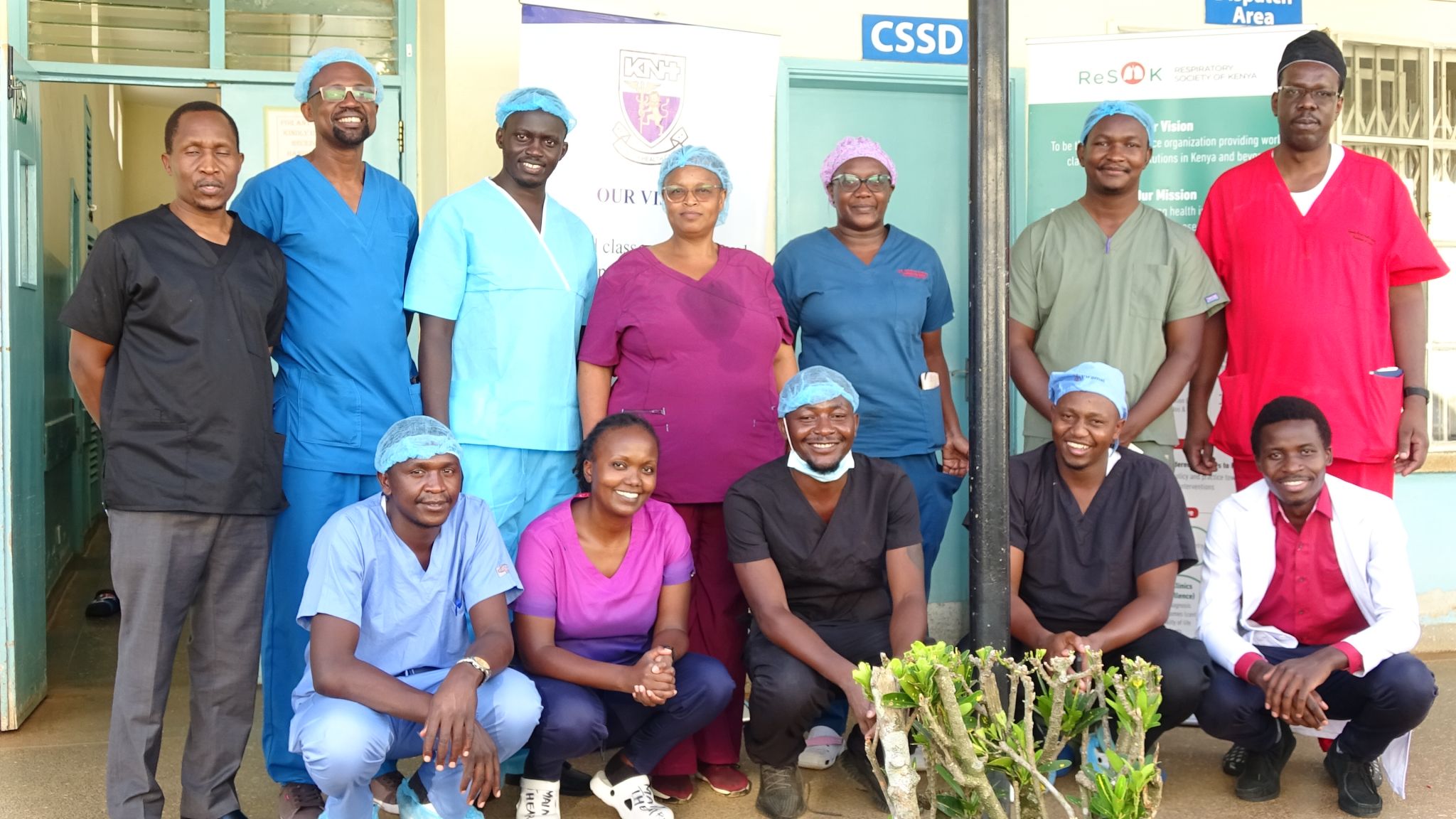
The Kakamega Bronchoscopy Camp sought to bring that specialized service closer to the patients who needed it.
By conducting procedures at Kakamega County General Teaching and Referral Hospital, the camp created an opportunity for patients requiring further respiratory investigation to receive specialized attention within a regional referral setting.
This approach is consistent with a patient-centred vision of lung health - one in which quality respiratory services are not limited to a small number of locations, but progressively become more accessible to communities across the country.
Looking Deeper for Answers
Bronchoscopy allows clinicians to examine the airways directly and, where necessary, obtain specimens for further investigation.
During the camp, the clinical team performed bronchoscopic procedures supporting the diagnosis and management of conditions including suspected lung cancer, tuberculosis, chronic infections, and airway disorders.
Each patient presented a different clinical question.
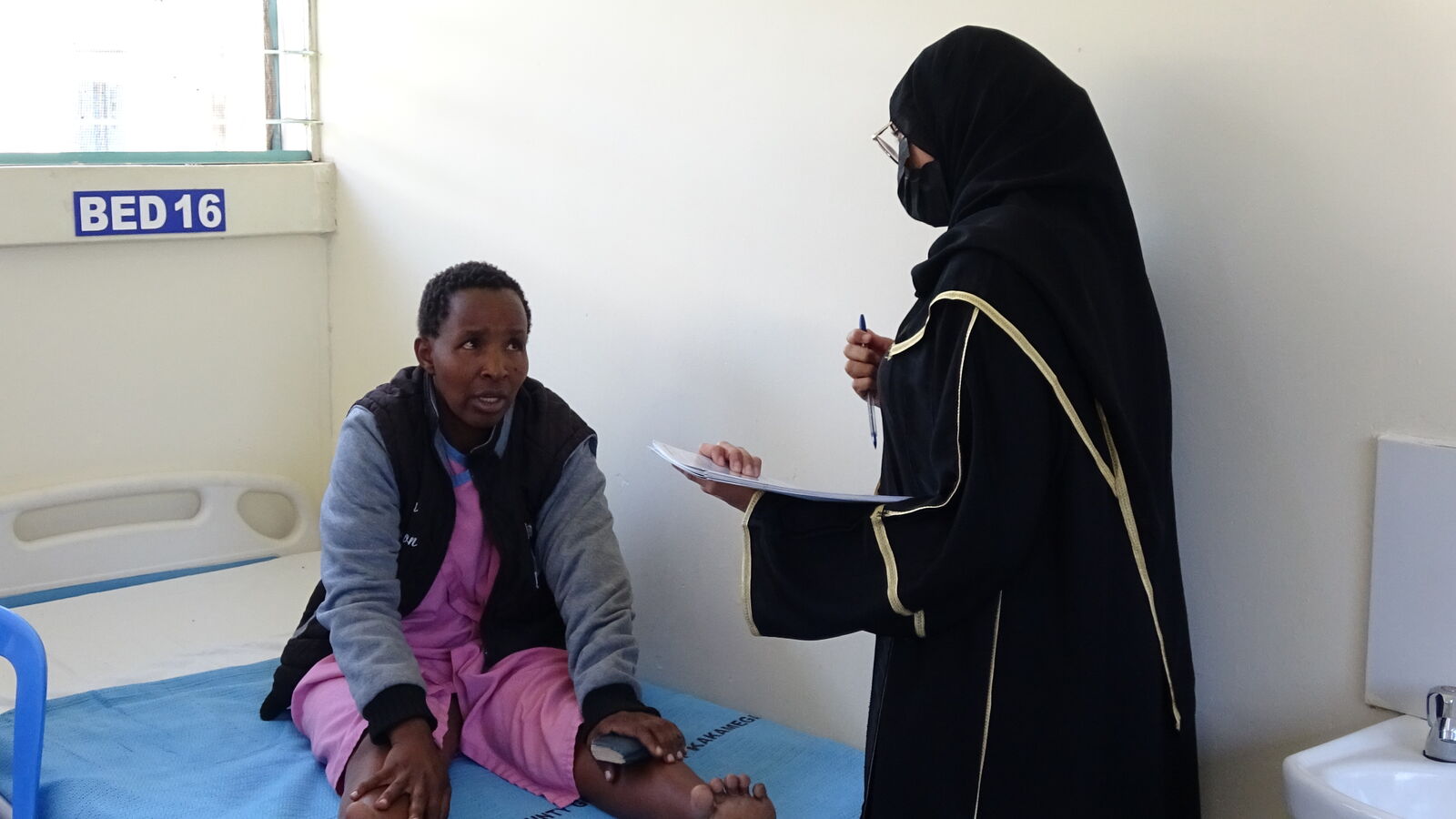
For some, the procedure could help investigate a suspicious finding and determine whether further evaluation for lung cancer was necessary. For others, obtaining an appropriate respiratory specimen could contribute to the investigation of tuberculosis or another infection. In cases involving airway disorders, bronchoscopy could provide clinicians with a closer look at structures that cannot be fully assessed through symptoms and routine examinations alone.
The value of the procedure lies not simply in seeing the airways, but in the information it can provide.
A clearer picture can help clinicians determine what happens next - whether that means additional investigations, specialist review, or treatment planning.
More Than a Procedure
Although the bronchoscopy procedures were at the centre of the camp, the experience extended beyond the procedure room.
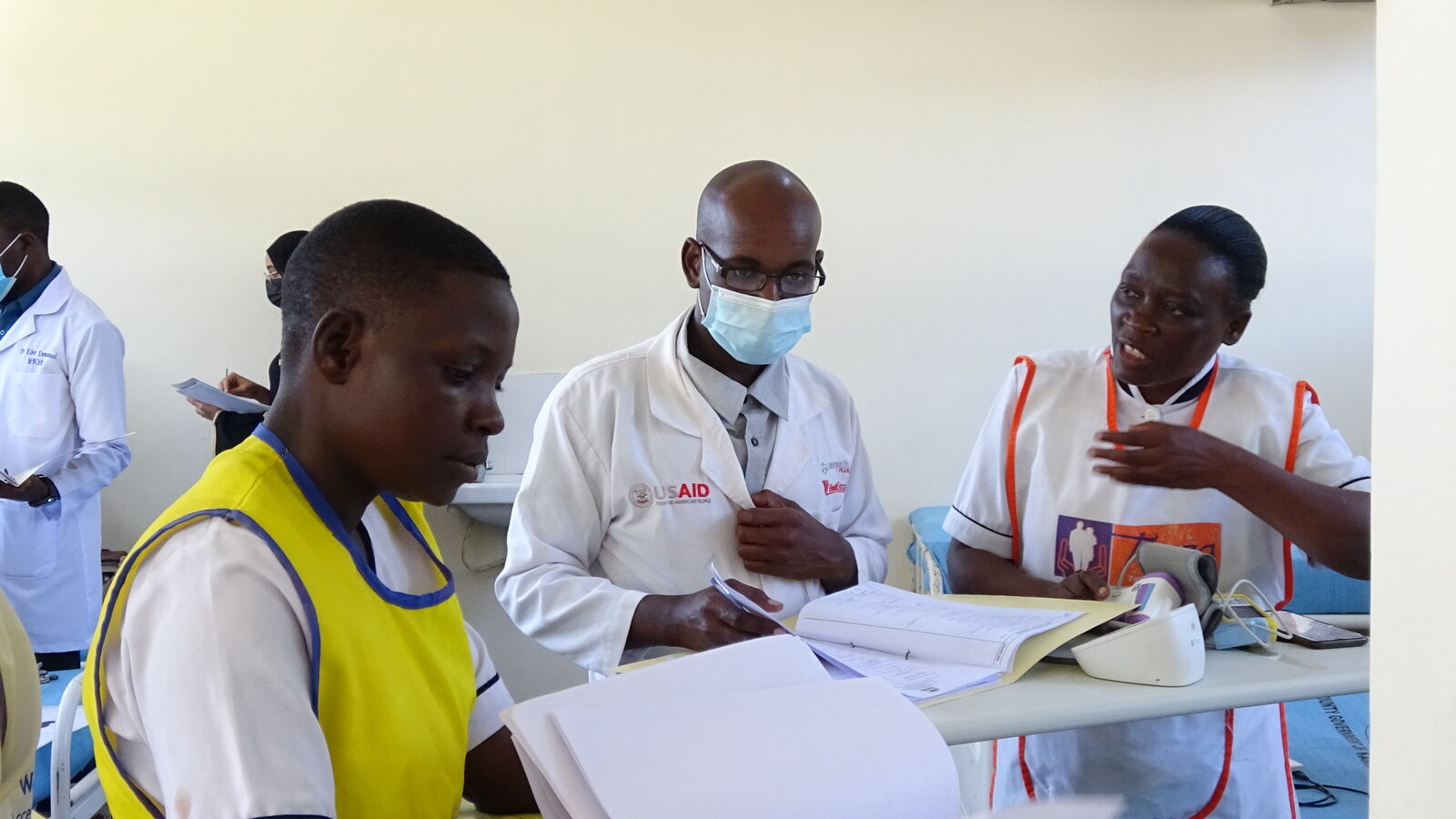
The camp also provided a practical learning environment for healthcare providers, allowing them to engage with the clinical team and gain greater familiarity with bronchoscopic procedures and patient management.
Learning in a real clinical setting offers an important perspective. Healthcare providers can observe how patients are assessed, how procedural decisions are made, how samples are obtained and handled, and how different professionals contribute to the patient's care.
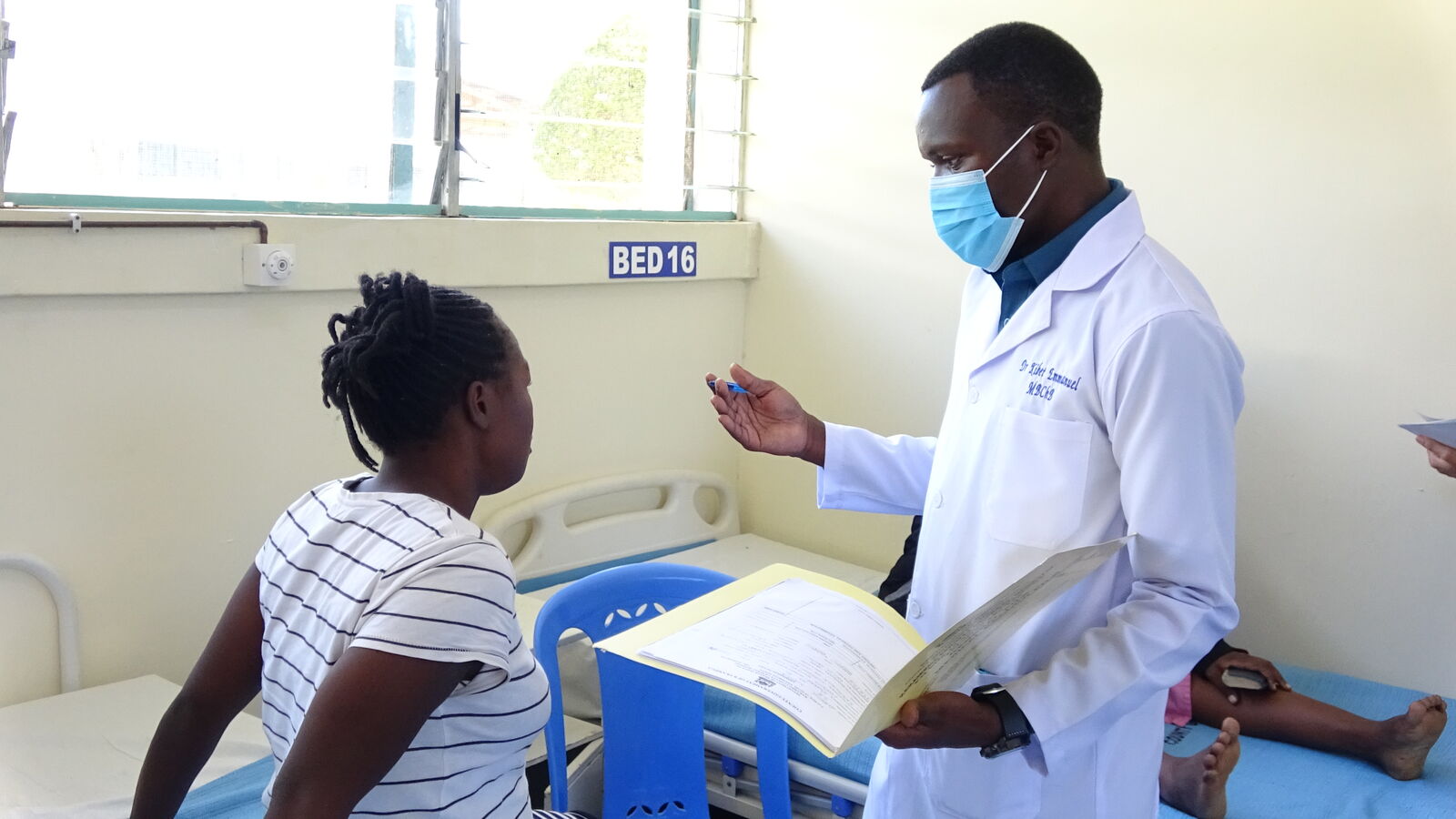
These experiences can help build confidence while encouraging knowledge-sharing that continues after the camp has ended.
The programme also highlighted the importance of effective referral pathways and multidisciplinary coordination. A bronchoscopy does not exist in isolation; its findings may need to be interpreted alongside imaging, laboratory results, pathology, clinical history, and specialist assessment.
When these different parts of the healthcare system work together, the patient's journey becomes more connected.
The Importance of Earlier Diagnosis
Time matters in lung disease.
The longer a serious respiratory condition remains undiagnosed, the greater the potential for delays in starting appropriate care. This is particularly important when investigating conditions such as lung cancer and tuberculosis, where timely diagnosis can influence subsequent management.
For patients, however, early diagnosis is not simply a clinical objective. It can mean replacing uncertainty with answers.
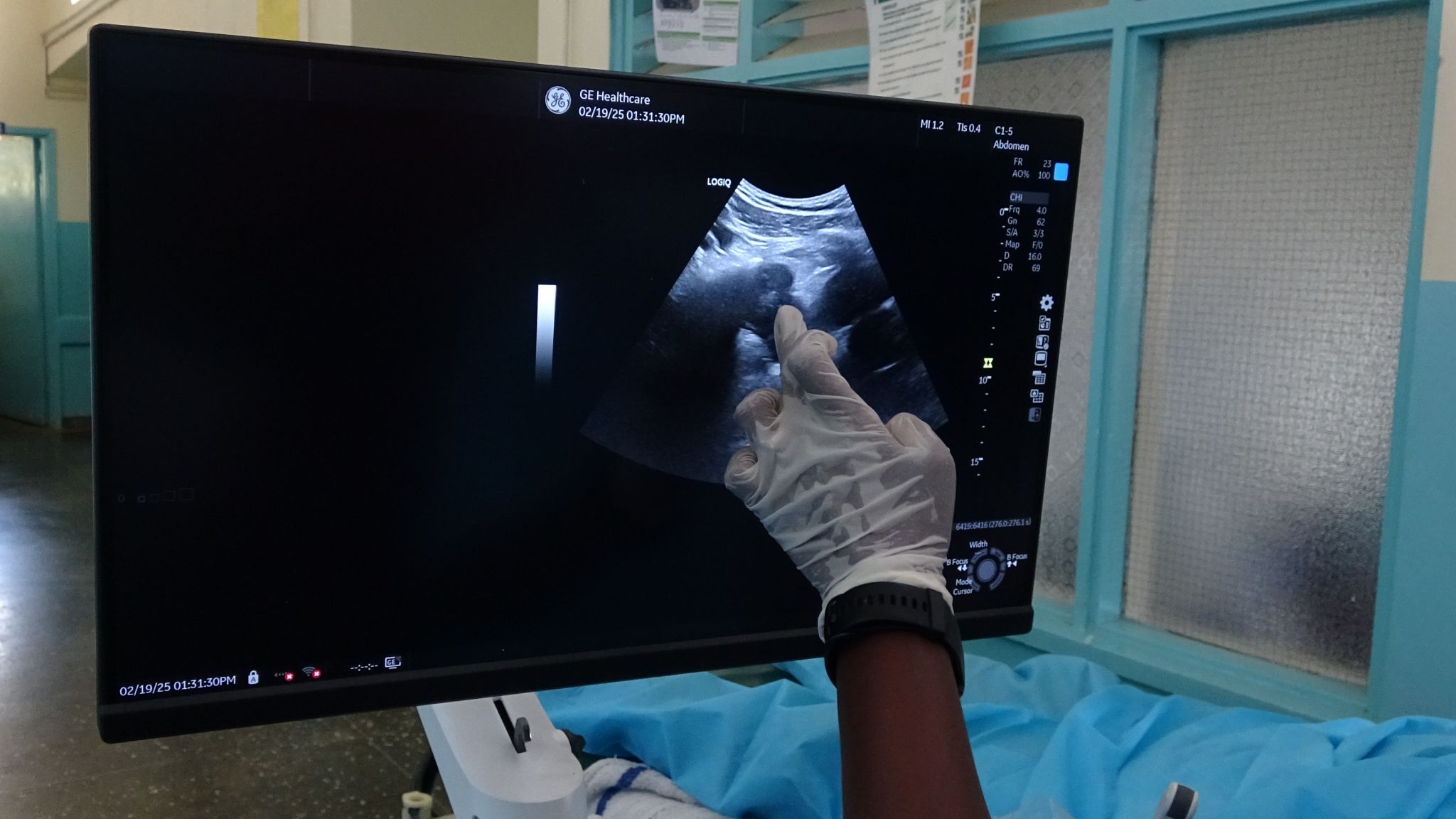
It can mean understanding what is causing persistent symptoms, knowing which treatment options are available, and being able to make informed decisions about the next stage of care.
The Kakamega camp therefore formed part of a wider effort to make that journey more responsive - helping patients access the investigations they require while supporting healthcare teams to work collaboratively around their needs.
Connecting Expertise With Local Care
One of the strengths of outreach initiatives such as the Kakamega Bronchoscopy Camp is the opportunity to connect specialized expertise with healthcare providers working closer to communities.
The camp builds on ReSoK's previous outreach work, including activities in Mombasa, and reflects an approach that recognizes the importance of bringing expertise into local health systems rather than expecting every patient to travel long distances in search of specialized care.
This also creates opportunities for professionals from different settings to learn from one another.
Specialized respiratory teams bring procedural experience, while local healthcare providers bring an understanding of the patients, referral patterns, and challenges within their communities. When these perspectives meet, the result can be a more practical and context-sensitive approach to respiratory care.
Addressing More Than Disease
Improving lung health also requires addressing the factors that influence when and how people seek care.
Stigma surrounding conditions such as tuberculosis and lung cancer can discourage individuals from seeking medical attention or speaking openly about their symptoms. Misconceptions about respiratory disease can further contribute to delayed presentation and missed opportunities for early intervention.
This makes awareness and education an important part of the wider lung health agenda.
By supporting healthcare professionals and engaging with communities, initiatives such as the Kakamega camp contribute to a broader understanding that respiratory symptoms deserve attention and that people living with lung disease should be able to seek care without fear or stigma.
Early diagnosis begins with access to services, but it also begins with recognizing when something is wrong and having the confidence to seek help.
Keeping the Patient at the Centre
Behind every procedure is a person.
Someone who has been living with symptoms. Someone waiting to understand the cause of an abnormal test result. Someone whose family is anxious for answers. Someone hoping that the next investigation will finally provide clarity.
For these patients, bringing bronchoscopy services closer can remove one more barrier from an already challenging journey.
The Kakamega camp provided an avenue for specialized assessment while bringing clinicians together around the shared goal of improving patient care. It demonstrated how targeted clinical outreach, professional collaboration, and knowledge-sharing can work together to make specialized respiratory services more accessible.
Continuing the Journey
The Kakamega Bronchoscopy Camp is part of a continuing journey towards stronger and more accessible lung health services in Kenya.
For the Respiratory Society of Kenya (ReSoK), promoting and improving lung health requires more than awareness alone. It calls for continued research, education, training, technical support, and collaboration that can translate knowledge into meaningful improvements in patient care.
The Kakamega experience brought these elements together: specialized procedures for patients, practical learning for healthcare providers, collaboration across teams, and a focus on strengthening the connection between referral services and the communities they serve.
Its significance lies not only in the procedures performed over two days, but in the possibilities created beyond them.
A healthcare provider who gains greater confidence can support the next patient. A stronger referral connection can shorten the path to specialist care. A timely investigation can bring a patient closer to a diagnosis. And a diagnosis can open the door to treatment.
From Kakamega to other parts of the country, the goal remains clear: to make quality lung health care more accessible, more timely, and more responsive to the people who need it.