Bringing Specialist Lung Care Closer: The Meru Bronchoscopy and VATS Camp
A diagnosis can be the beginning of treatment, but getting to that diagnosis is not always a simple journey.
For people living with persistent respiratory symptoms, suspected lung cancer, chronic lung disease, or other complex conditions, access to specialized investigations can determine how quickly they receive the answers and care they need.
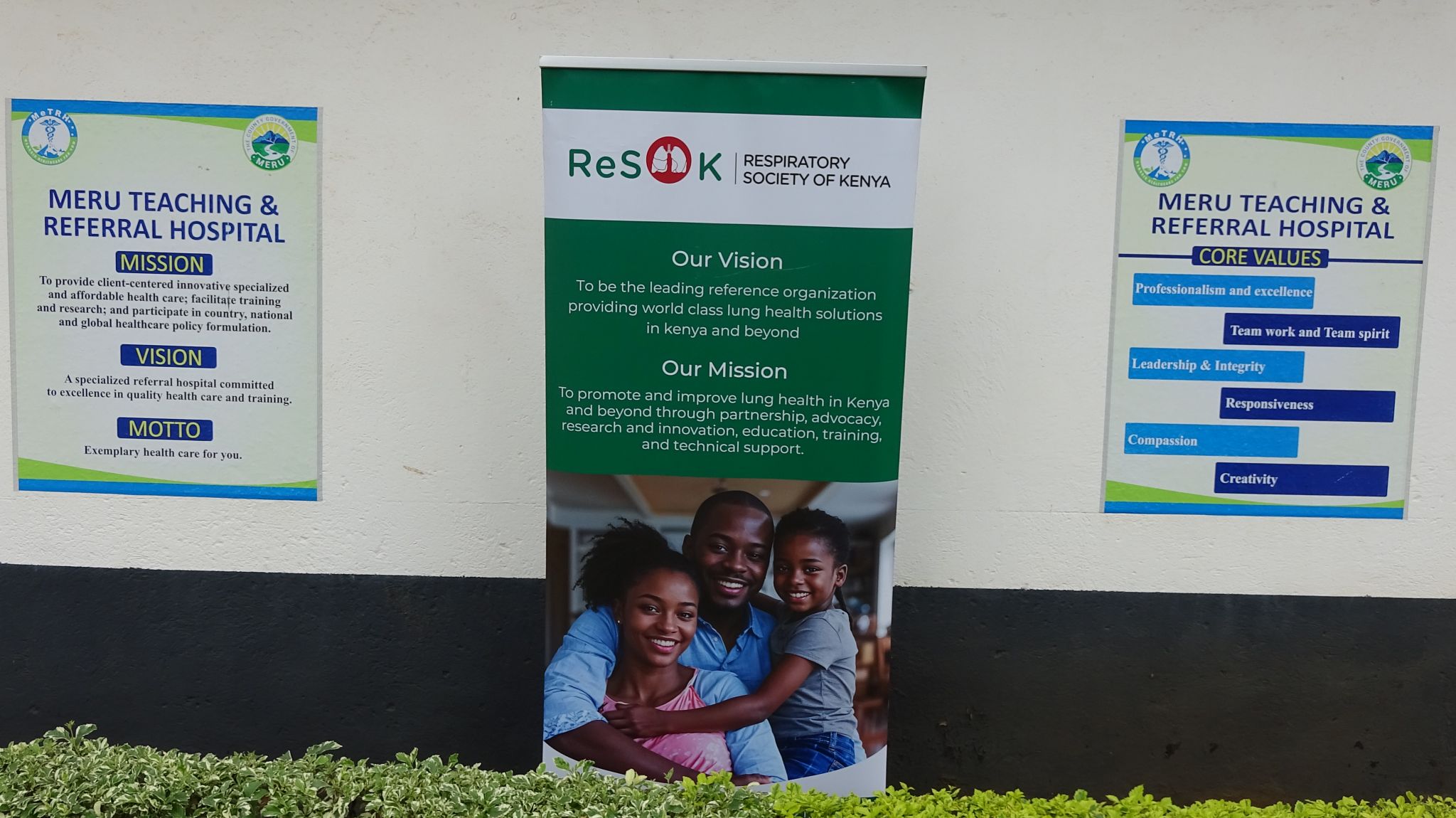
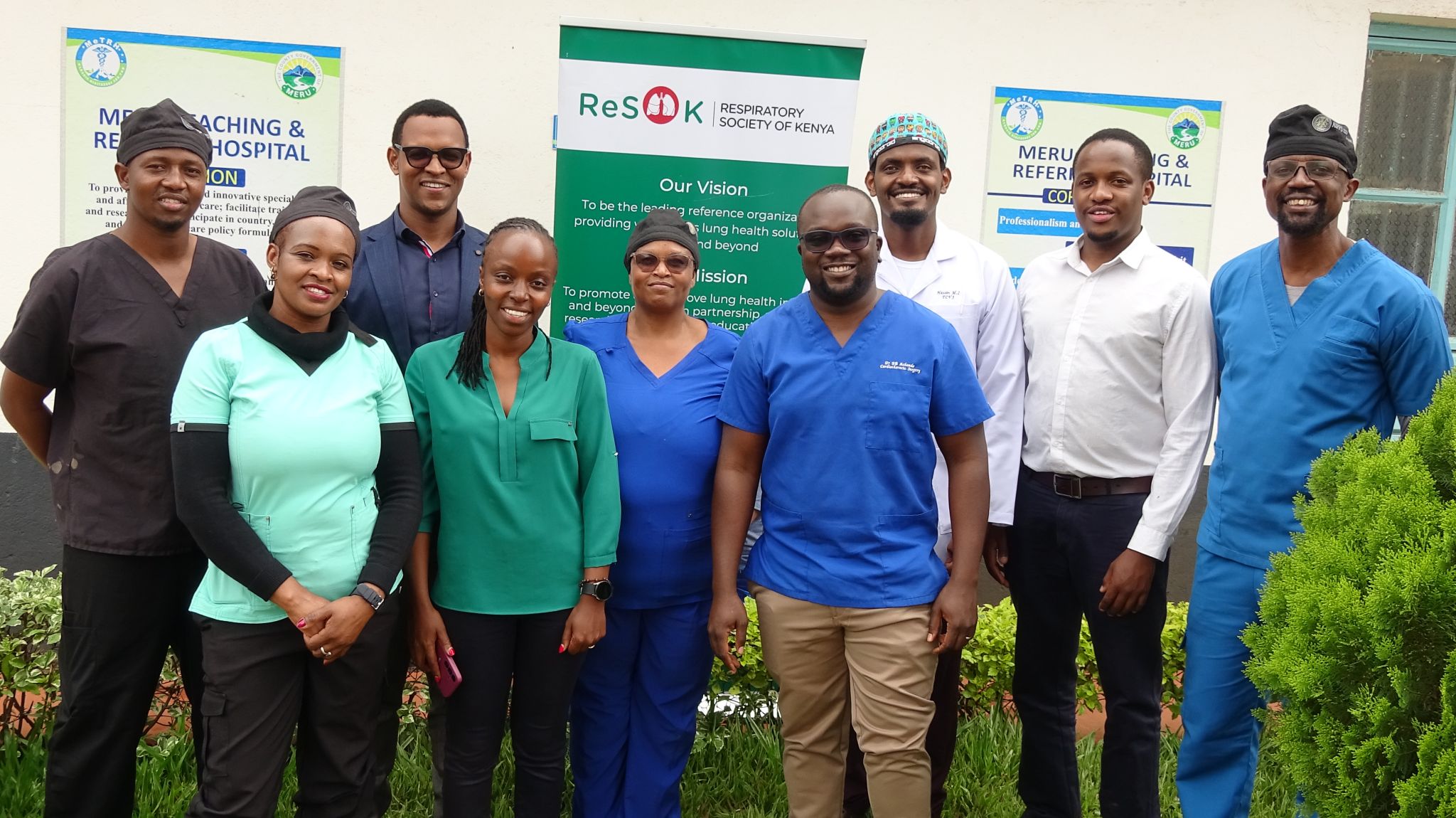
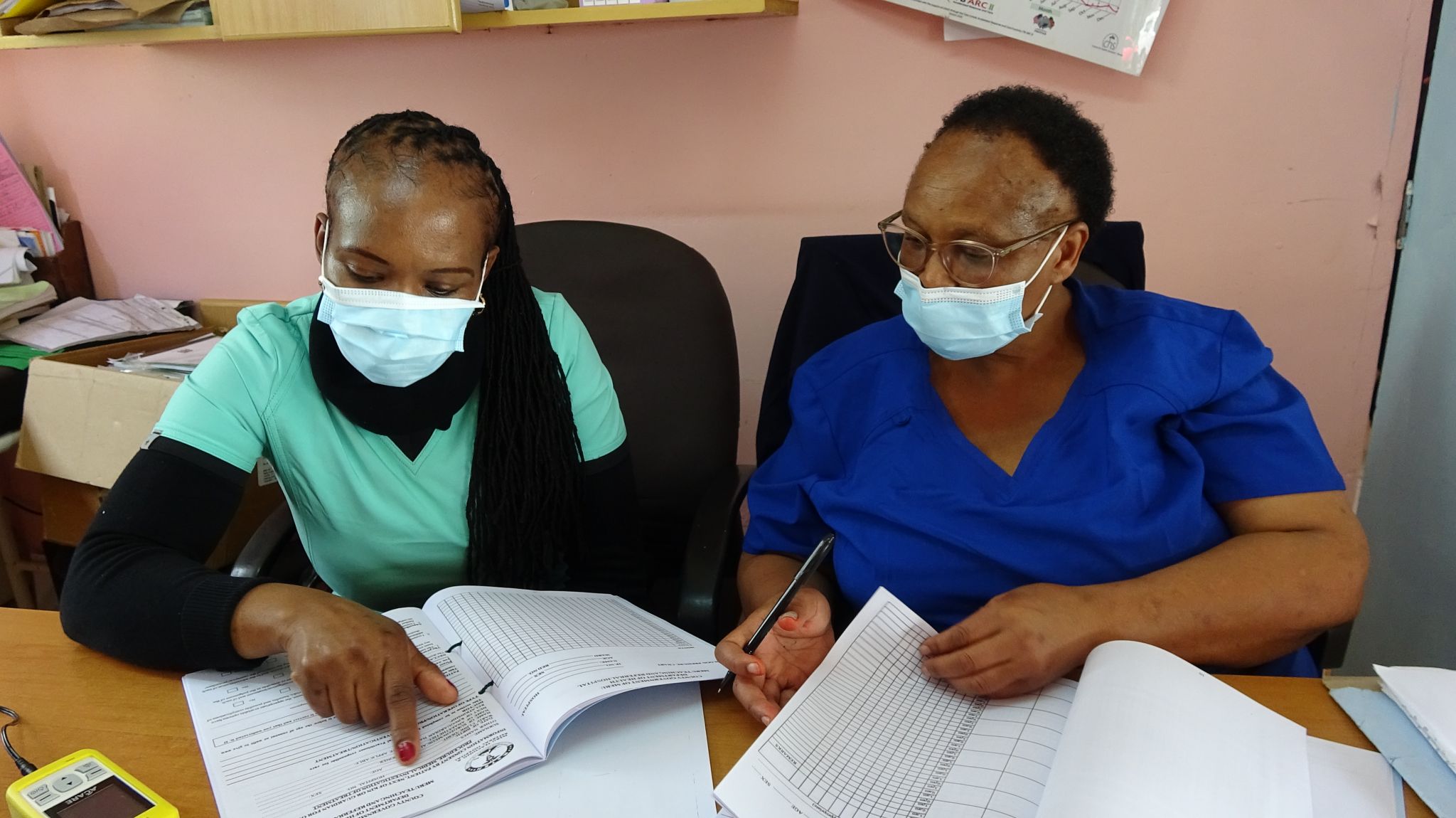
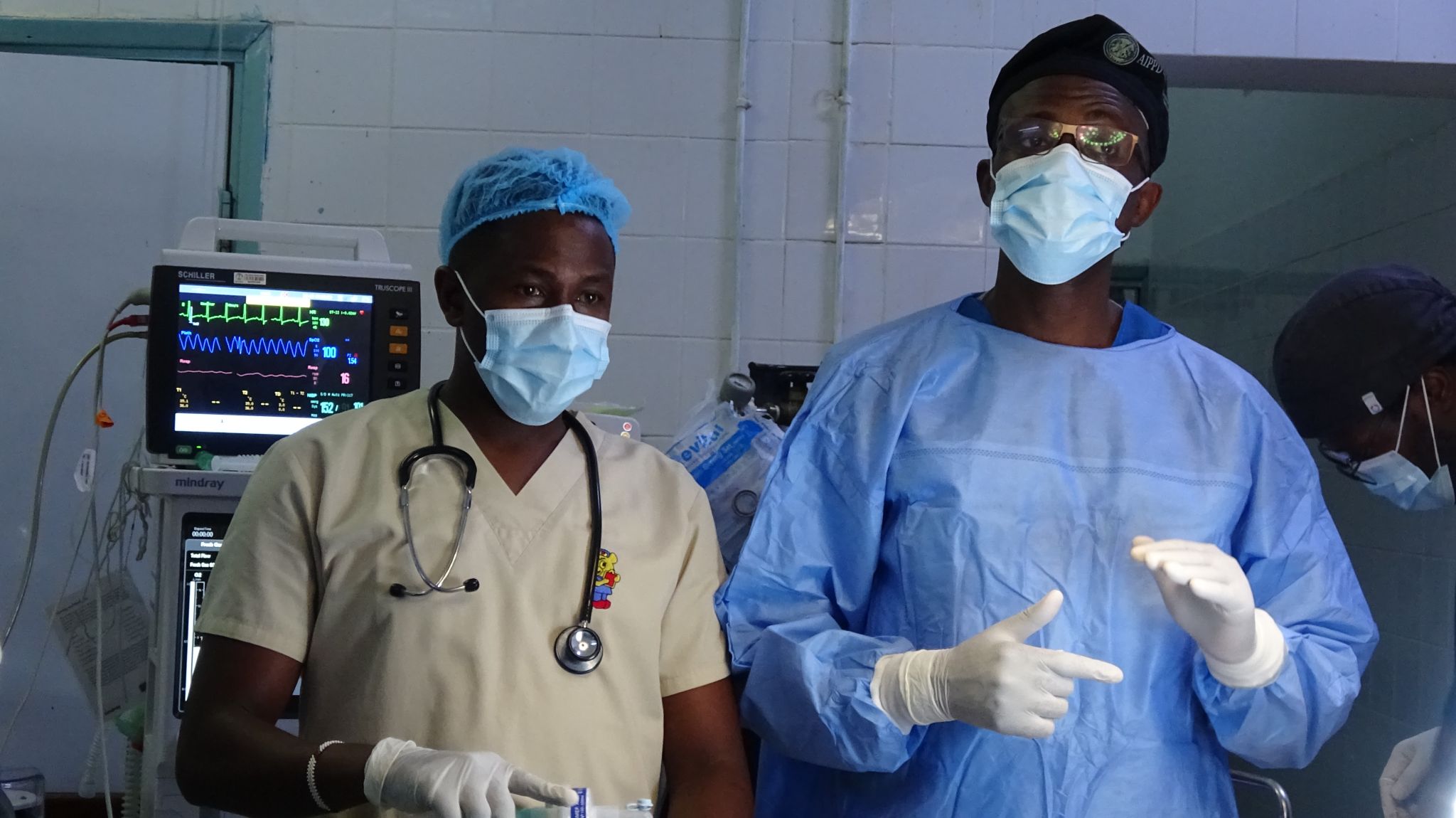
During Lung Cancer, COPD, and Pulmonary Hypertension Awareness Month, the Respiratory Society of Kenya (ReSoK) supported a two-day free Bronchoscopy and Video-Assisted Thoracoscopic Surgery (VATS) Camp at Meru Teaching and Referral Hospital, bringing specialized respiratory and thoracic services closer to patients in need.
The camp provided an opportunity for patients who might otherwise experience delays in accessing specialist investigations to receive assessment and procedures closer to home. At the same time, it brought healthcare professionals together around practical clinical experience, collaboration, and patient-centred care.
The initiative reflected an important part of ReSoK's wider commitment to promoting and improving lung health in Kenya and beyond - ensuring that advances in respiratory medicine can reach the people and communities who need them.
When Answers Require a Closer Look
Respiratory disease does not always reveal itself clearly.
A patient may have symptoms that persist despite treatment. An imaging scan may show an abnormality, but leave important questions unanswered. A suspected tumour may require tissue confirmation. An airway problem may need direct visualization before clinicians can determine the most appropriate course of action.
In such situations, specialized procedures can provide information that routine investigations alone may not.
This is where bronchoscopy becomes particularly valuable.
During bronchoscopy, clinicians can use a flexible camera to examine the airways directly and, where necessary, obtain samples for laboratory and pathological examination. These samples can help investigate conditions such as lung cancer, tuberculosis, chronic infections, and other airway disorders.
For a patient waiting for an explanation for persistent or worrying symptoms, obtaining that information can represent an important step forward.
A Closer Look at the Lungs
The Meru camp also featured Video-Assisted Thoracoscopic Surgery (VATS), a minimally invasive approach used in the diagnosis and treatment of a range of thoracic conditions.
Unlike traditional open surgery, VATS uses small incisions through which a camera and surgical instruments can be introduced into the chest. This allows clinicians to examine and, where appropriate, treat disease while avoiding the larger incision associated with conventional open procedures.
For suitable patients, minimally invasive approaches can offer advantages such as less postoperative discomfort and a potentially faster recovery compared with open surgery.
The inclusion of both bronchoscopy and VATS allowed the clinical teams to approach respiratory and thoracic conditions using techniques suited to different diagnostic and therapeutic needs.
The procedures were not simply about technology. They were about using the right tools to answer the right clinical questions - and helping patients move forward with greater certainty.
From Suspicion to Diagnosis
For many people, the hardest part of dealing with a serious illness can be the uncertainty that comes before a diagnosis.
A persistent cough may raise questions about tuberculosis. An abnormal scan may prompt investigation for lung cancer. Long-standing respiratory symptoms may require further assessment for chronic lung disease. A patient may know that something is wrong without knowing exactly what it is.
That period of uncertainty can be difficult for both patients and their families.
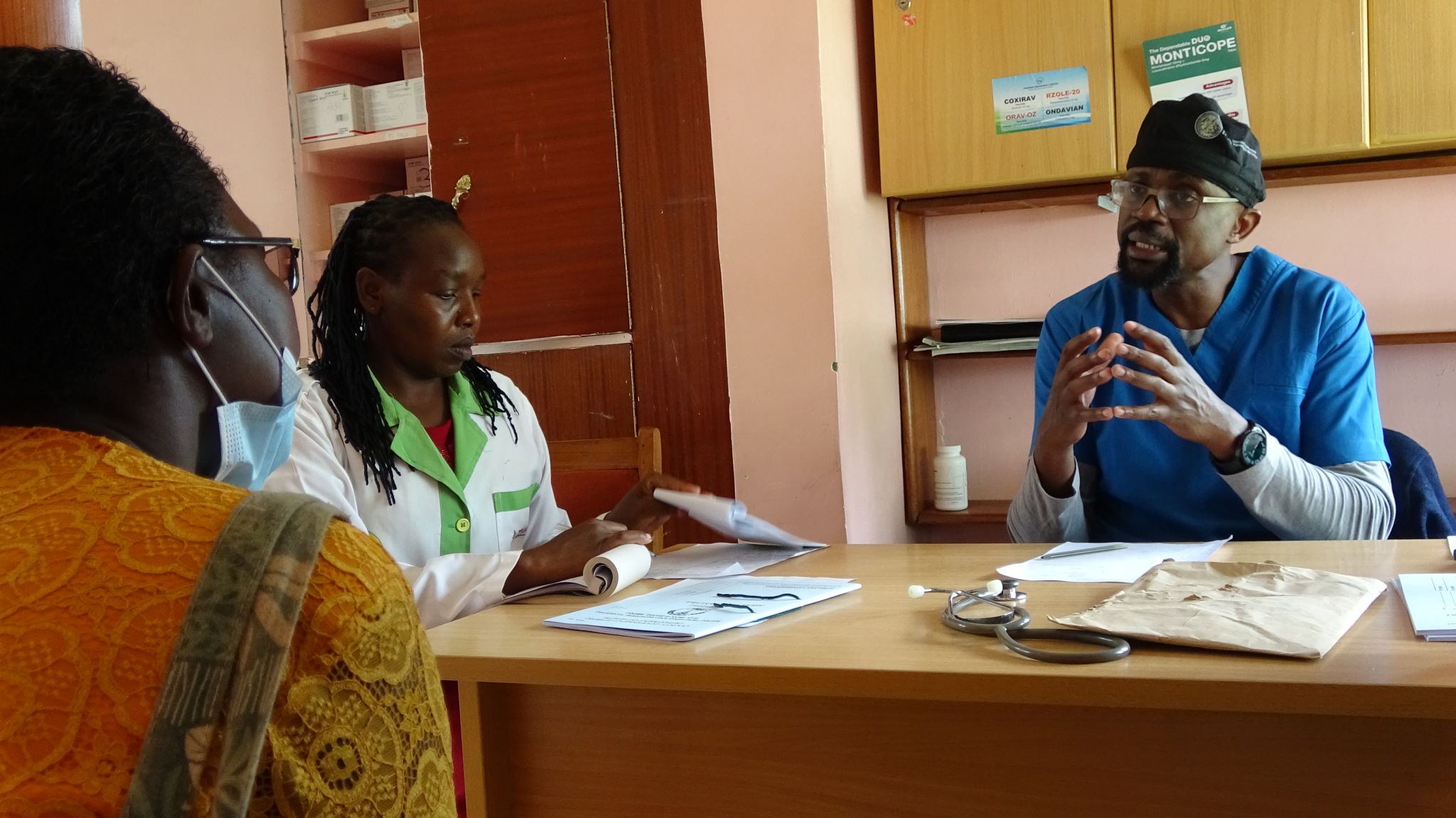
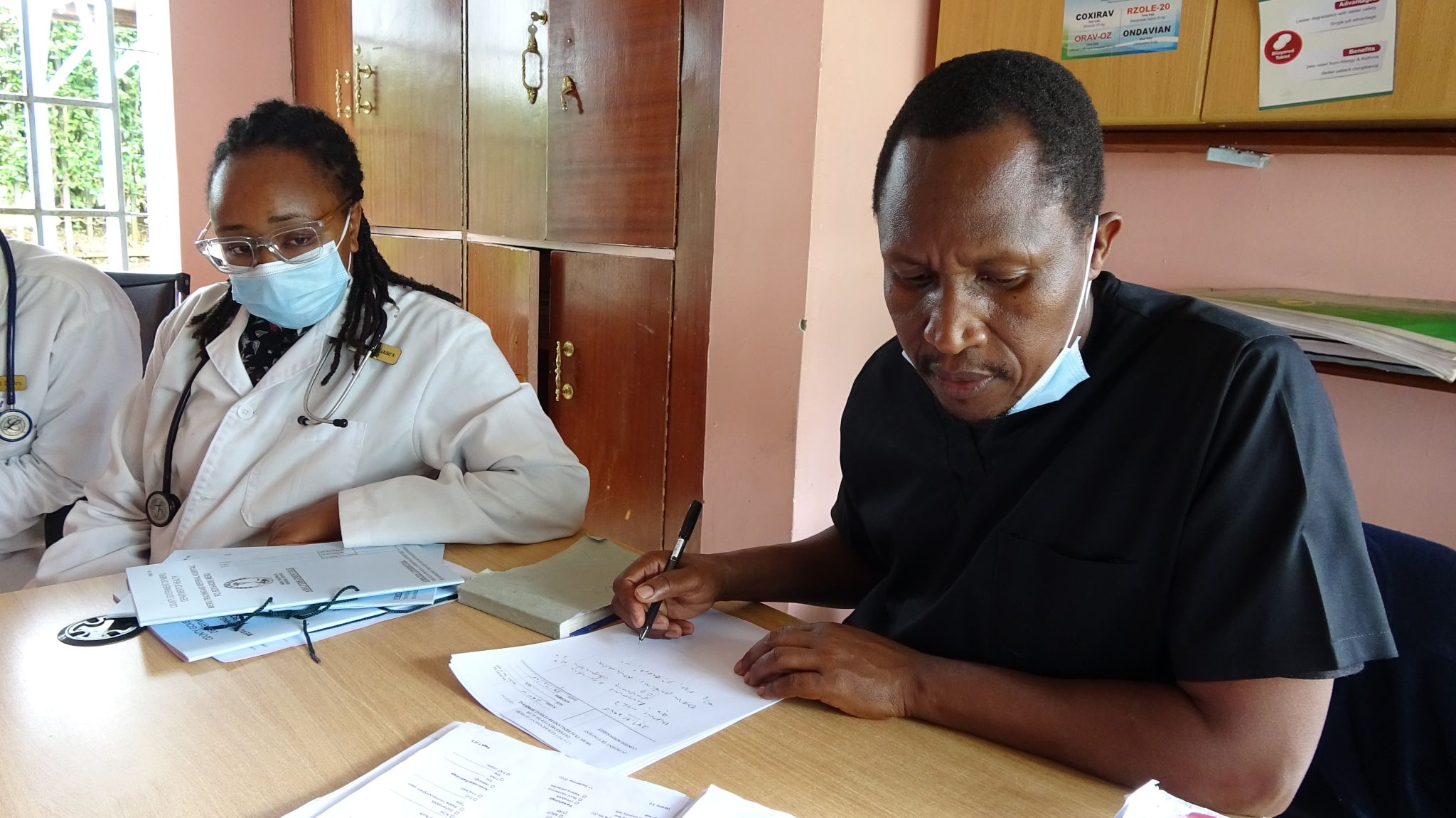
The Meru camp created an opportunity for patients requiring specialized investigation to access these services closer to home. Over the two days, clinical teams performed bronchoscopic and thoracoscopic procedures supporting the diagnosis and management of lung cancer, COPD, tuberculosis, chronic infections, pulmonary hypertension, and airway disorders.
For some patients, it represented an important first encounter with specialized lung care.
For others, it offered another step in an ongoing diagnostic journey.
In both cases, the objective remained the same: helping clinicians gather the information needed to guide appropriate care.
Why Awareness Matters
Holding the camp during Lung Cancer, COPD, and Pulmonary Hypertension Awareness Month added another dimension to the initiative.
Awareness months provide an opportunity to move conversations about disease beyond clinical spaces and into the wider community. They create room to talk about symptoms, risk factors, prevention, diagnosis, treatment, and the importance of seeking care.
This is particularly important for lung diseases, which can sometimes be overlooked until symptoms become severe.
Lung cancer, for example, may initially present with symptoms that are easily attributed to other conditions. COPD can progressively affect a person's ability to breathe and carry out everyday activities. Pulmonary hypertension can also be difficult to recognize because some of its symptoms overlap with other cardiovascular and respiratory conditions.
Creating greater awareness can encourage people to take persistent symptoms seriously and seek appropriate medical attention.
But awareness must be accompanied by access.
Knowing that one should seek care means little if the necessary services remain difficult to reach. This is why initiatives that connect awareness with specialized clinical services can play an important role in the broader lung health agenda.
Bringing Care Closer to Home
For patients outside major urban centres, accessing specialist respiratory and thoracic services can involve additional challenges.
Travel can be costly and time-consuming. Referral processes can take time. Families may need to make arrangements around work, school, caregiving, and other responsibilities.
Bringing specialist services to a regional referral hospital can help reduce some of these barriers.
The Meru camp provided patients with an opportunity to access specialized procedures within their own region, rather than making the journey to distant facilities solely to seek specialist assessment.
This approach also strengthens the connection between specialist teams and healthcare providers working within local facilities. It creates opportunities to share knowledge, discuss clinical cases, and build relationships that can continue beyond the outreach activity.
Learning Alongside Service
While patients remained at the centre of the camp, the experience also created opportunities for healthcare professionals to learn from one another.
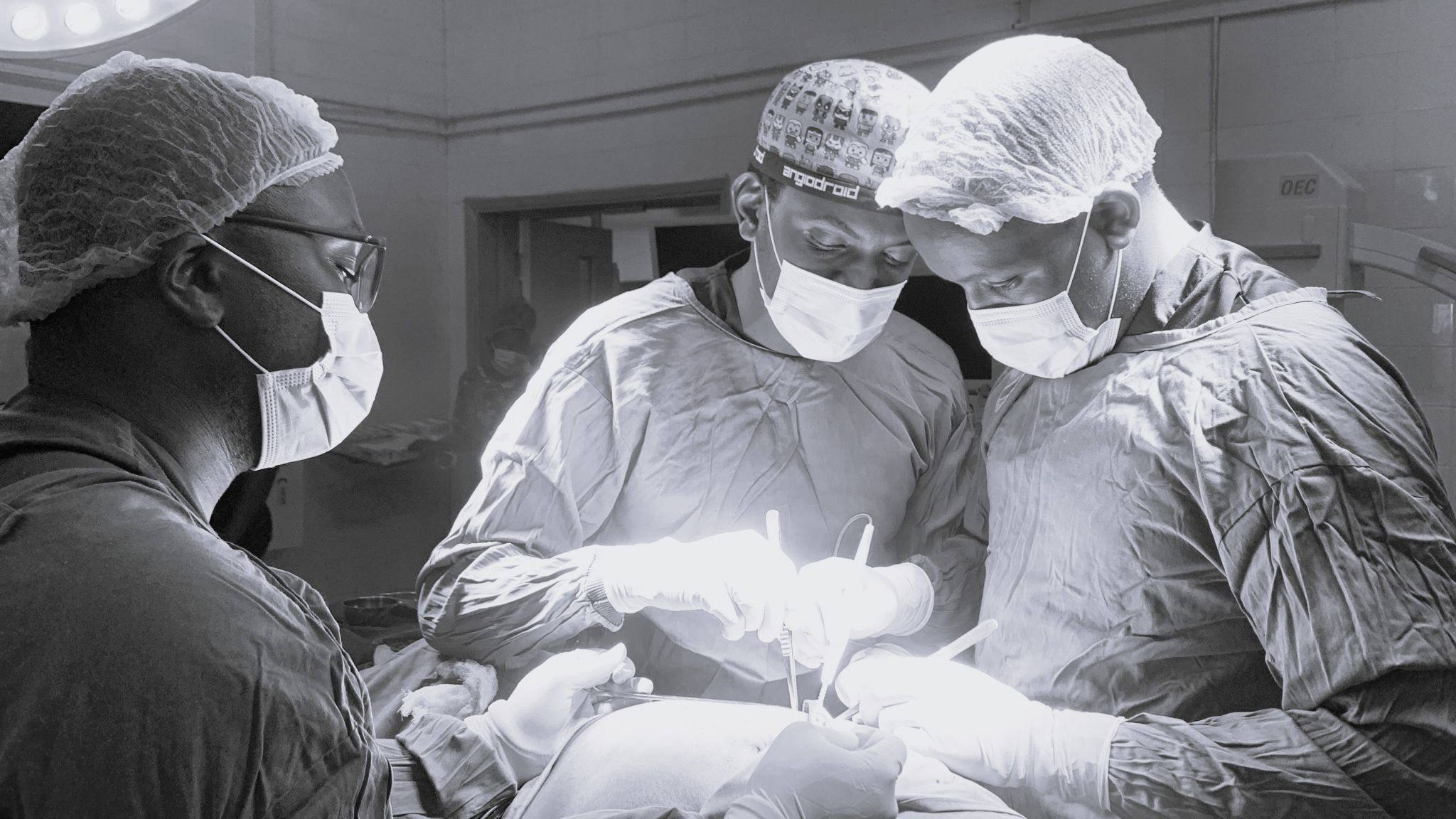
Specialized procedures such as bronchoscopy and VATS require technical expertise, clinical judgement, teamwork, and familiarity with patient safety considerations. Exposure to experienced teams in a practical environment can provide valuable opportunities for observation, discussion, and professional development.
The interaction between visiting specialists and local healthcare teams can also contribute to stronger referral and communication pathways.
A patient does not experience healthcare as a collection of separate departments. Their journey may move from a primary healthcare facility to a county hospital, then to specialist services and back again.
The smoother those connections become, the easier it can be to keep the patient's care moving in the right direction.
Part of a Wider Journey
The Meru camp did not stand alone.
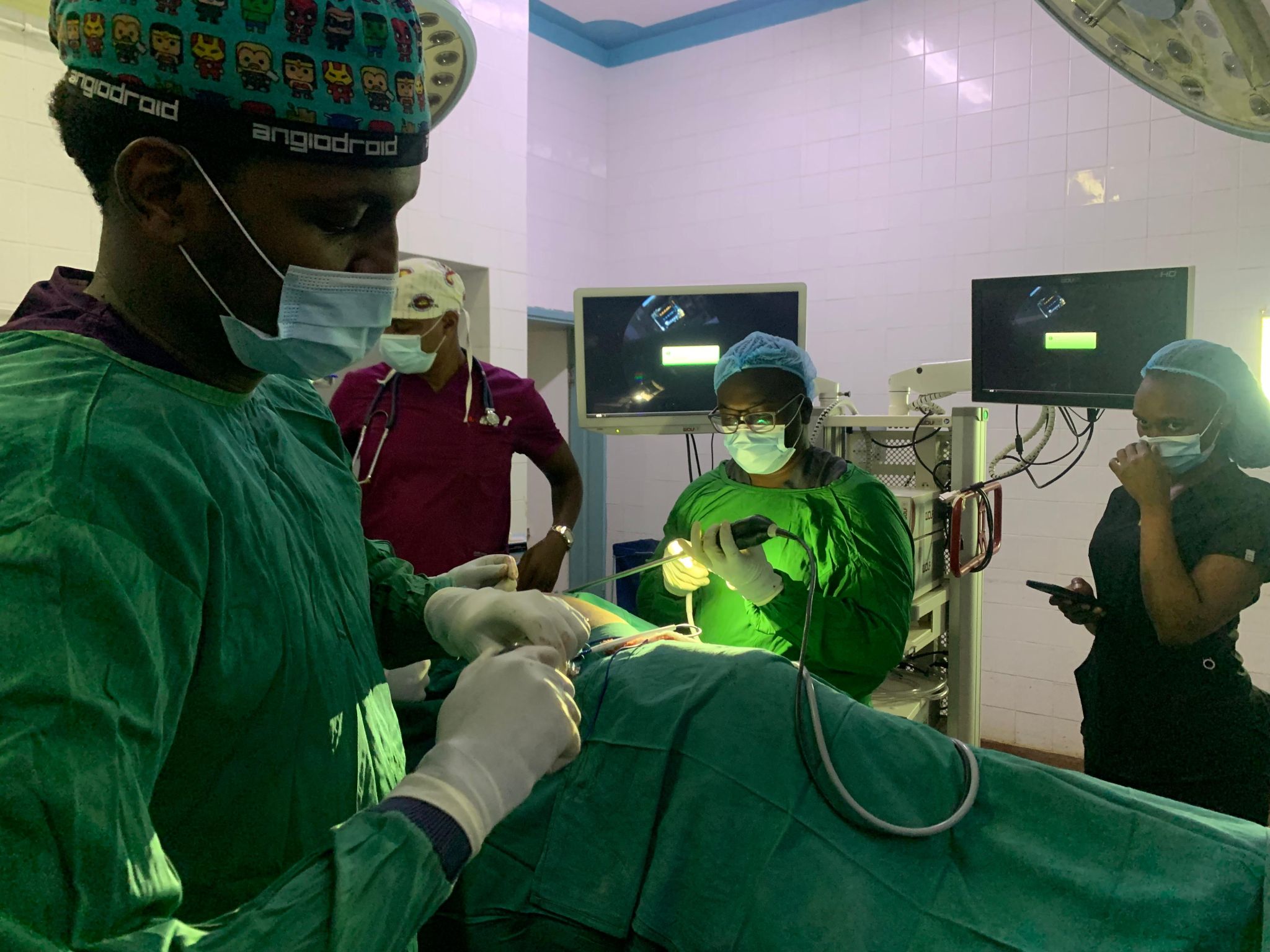
It built on previous outreach activities in Mombasa and Kakamega, forming part of a broader effort to extend specialized respiratory services across different parts of the country.
Each setting brings its own realities, patient needs, healthcare structures, and challenges. Yet the underlying objective remains consistent: making quality lung health services more accessible while supporting healthcare professionals through education, training, collaboration, and shared expertise.
For ReSoK, this work reflects the belief that improving lung health requires action at multiple levels.
It means supporting professionals with the knowledge and skills they need. It means encouraging research and the exchange of evidence. It means working with partners and institutions to strengthen services. And it means keeping the patient at the centre of every intervention.
The Person Behind the Procedure
Every procedure performed during the camp represented more than a clinical intervention.
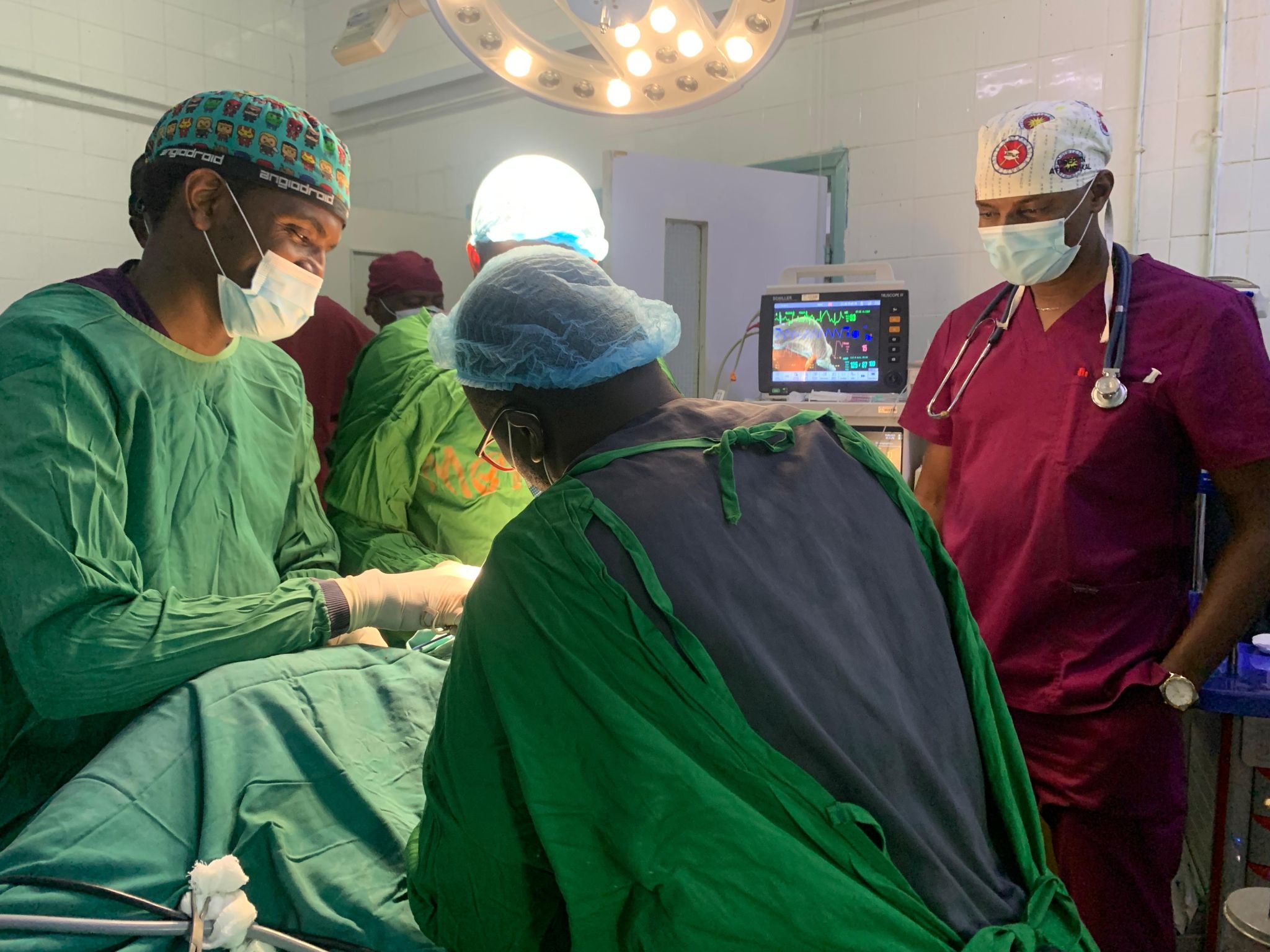
Behind each patient was a story.
A person who may have spent weeks or months living with symptoms. A family waiting for answers. A clinician looking for evidence to confirm a diagnosis. A treatment decision waiting on the results of an investigation.
For these individuals, access to specialized care can mean more than convenience. It can mean progress.
Progress from suspicion to diagnosis.
From uncertainty to understanding.
And, where appropriate, from diagnosis to treatment.
This is why bringing specialized services closer to communities matters.
Continuing to Advance Lung Health
The Meru Bronchoscopy and VATS Camp demonstrated what can happen when clinical expertise, institutional collaboration, professional learning, and patient-centred service delivery come together.
For ReSoK, such initiatives are part of a broader commitment to promoting and improving lung health through research, education, training, and technical support.
The contribution of the healthcare professionals, institutional teams, partners, and everyone involved in making the camp possible was central to its success.
More importantly, the experience reinforced a message that extends beyond Meru: quality lung health care should not be defined only by where a patient lives.
As ReSoK continues to collaborate with healthcare professionals and institutions across the country, the aim remains to help create a healthcare environment where people can access appropriate respiratory services, receive timely diagnoses, and move towards the care they need.
Because sometimes, bringing the right expertise closer to a patient is the first step towards bringing them closer to an answer.