Expanding the Possibilities of Lung Diagnosis: Inside the Lung Biopsy Workshop at Coast General Teaching and Referral Hospital
A diagnosis can change everything.
For a patient with a persistent cough, unexplained chest symptoms, or a suspicious finding on imaging, the journey from uncertainty to treatment often depends on one crucial step: finding out exactly what is happening inside the lungs.
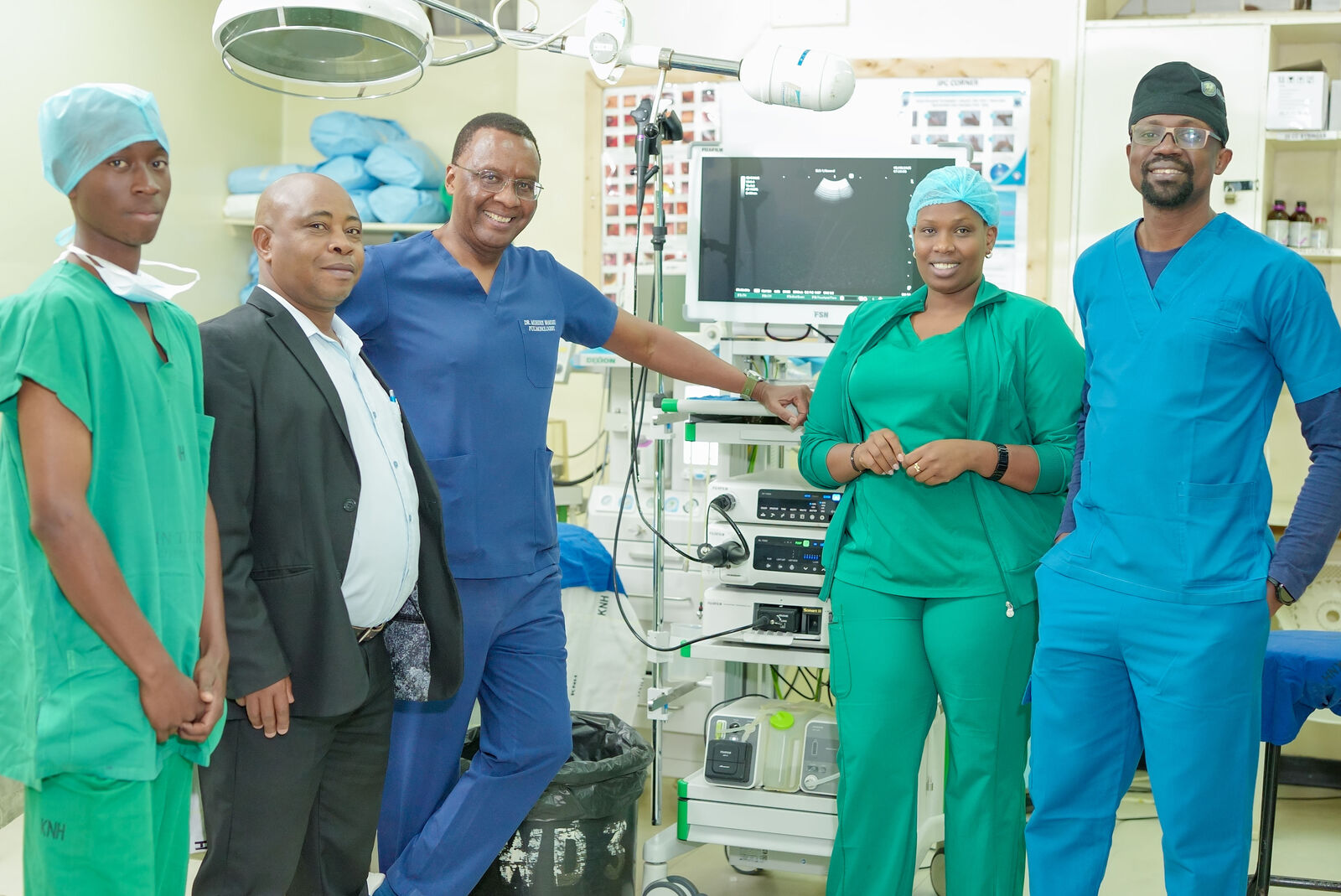
This was the focus of the three-day Lung Biopsy Workshop at Coast General Teaching and Referral Hospital in Mombasa, which brought healthcare professionals together for practical learning in a range of respiratory and thoracic procedures used to investigate suspected lung disease.
The workshop provided an opportunity to explore bronchoscopy, pleuroscopy, and Video-Assisted Thoracoscopic Surgery (VATS) through hands-on training and multidisciplinary engagement. More than simply introducing participants to individual procedures, the programme demonstrated how different approaches can work together to answer difficult diagnostic questions and inform the next steps in patient care.
At a time when lung cancer continues to present significant challenges for patients and health systems, strengthening the ability to investigate suspected disease accurately and efficiently is increasingly important.
Looking Deeper Into Lung Disease
Diagnosing lung disease is not always straightforward.
Symptoms can overlap across different respiratory conditions, while abnormalities identified through imaging may require further investigation before clinicians can determine their significance. In suspected lung cancer, obtaining an appropriate tissue sample can be an essential part of establishing a definitive diagnosis and guiding treatment.
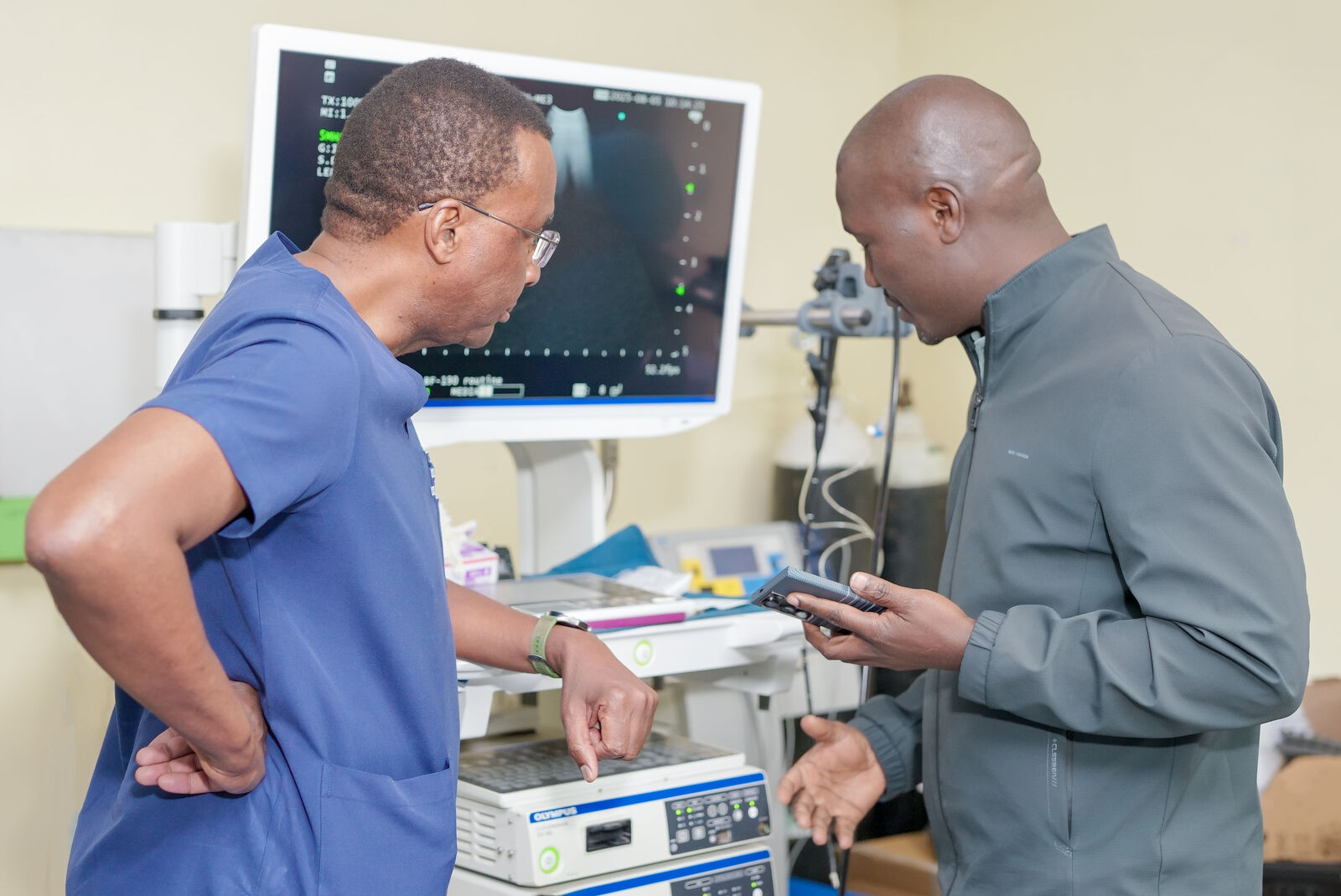
This is where lung biopsy and related procedures become particularly important.
The workshop introduced participants to techniques that allow clinicians to approach different areas of the chest and lungs depending on the clinical question at hand. Bronchoscopy provides access through the airways, while pleuroscopy enables examination of the pleural space. VATS offers a minimally invasive surgical approach that can provide access to areas that may not be reachable through conventional techniques.
Understanding the role of each procedure - and knowing when it may be appropriate - forms an important part of modern respiratory and thoracic practice.
For healthcare professionals, practical exposure to these techniques offers an opportunity to develop greater familiarity with the procedures, the equipment involved, and the clinical considerations that accompany them.
Learning Through Hands-On Experience
One of the defining features of the Mombasa workshop was its practical approach.
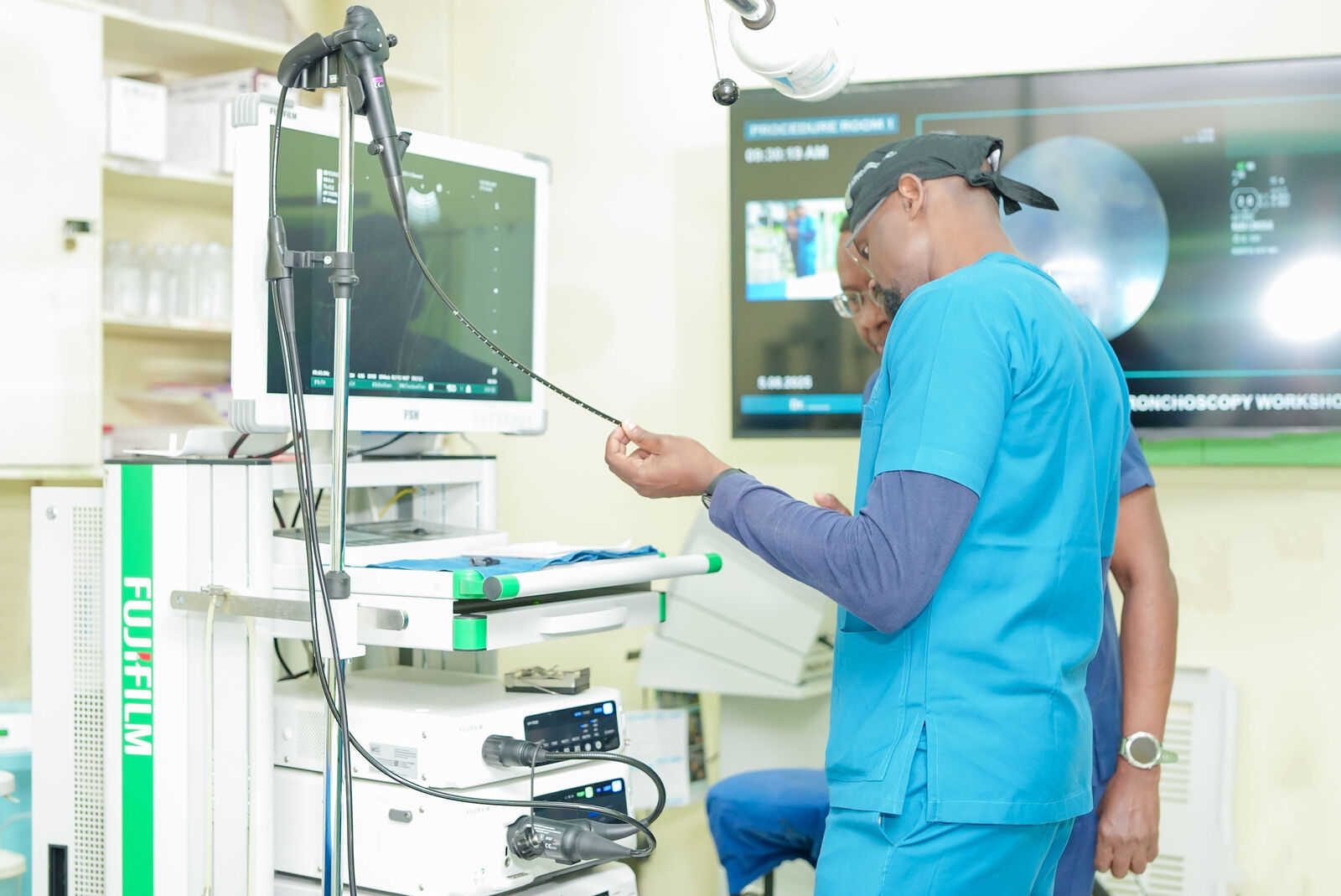
Rather than limiting learning to lectures and theoretical discussions, participants engaged directly with procedural techniques. This allowed them to move through the different stages of respiratory and thoracic interventions while learning from experienced faculty and colleagues.
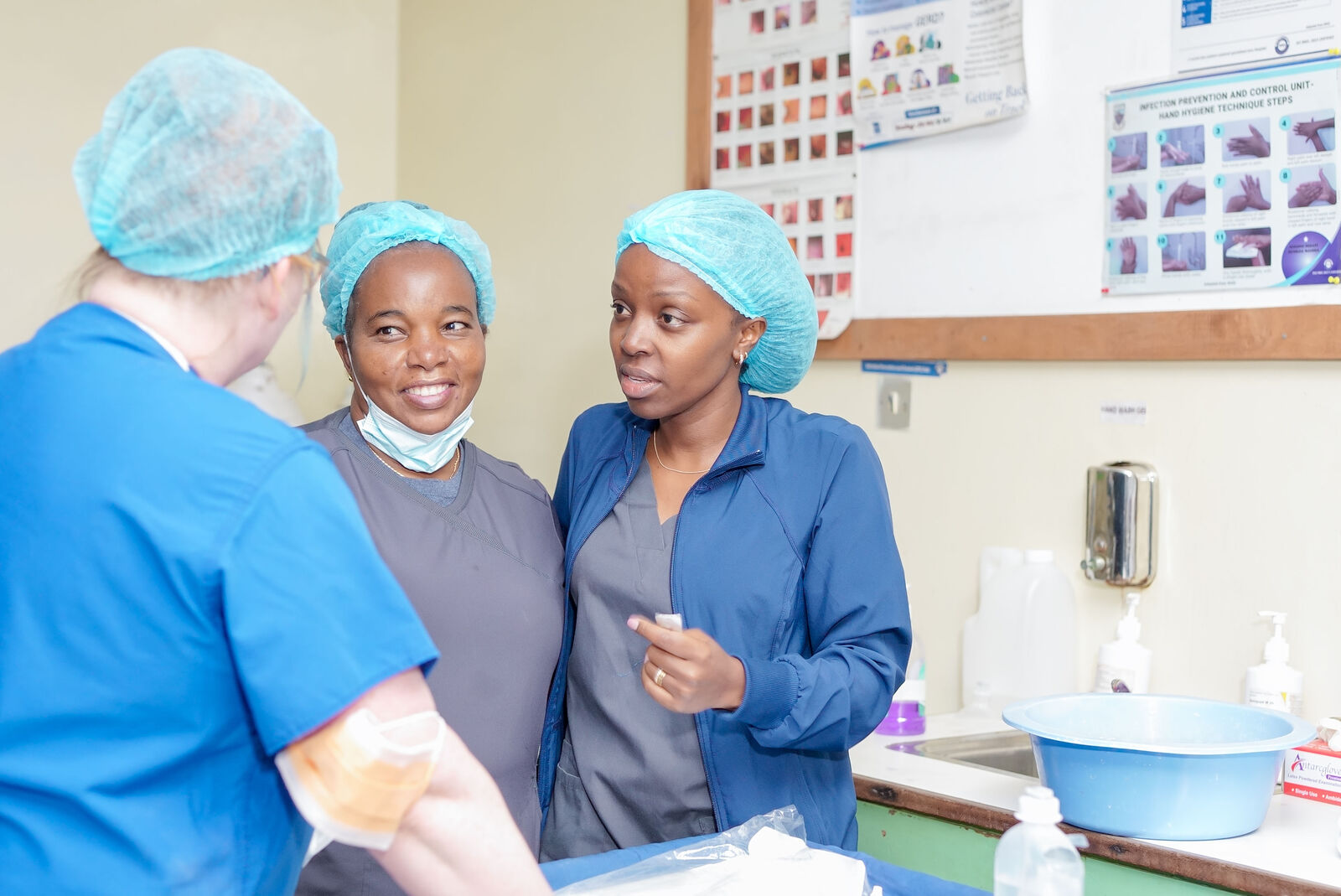
Hands-on training can provide a different kind of understanding. It allows healthcare professionals to appreciate the practical realities of positioning, navigation, instrumentation, sampling, and procedural decision-making - details that can be difficult to fully capture in a presentation.
It also creates room for questions and discussion around situations that clinicians encounter in their own practice.
For procedures as technically demanding as bronchoscopy, pleuroscopy, and VATS, that practical exposure can help bridge the gap between knowing how a procedure works and understanding how it is applied in the clinical environment.
Responding to the Lung Cancer Challenge
The relevance of this training extends beyond the procedures themselves.
Lung cancer can be difficult to detect early because its symptoms may be mistaken for other respiratory conditions, particularly when patients present late or face barriers to accessing specialized care. Once a suspicious lesion is identified, however, timely investigation becomes an important part of determining what comes next.
Accurate tissue diagnosis can help clinicians understand the nature of a lesion and inform decisions around treatment.
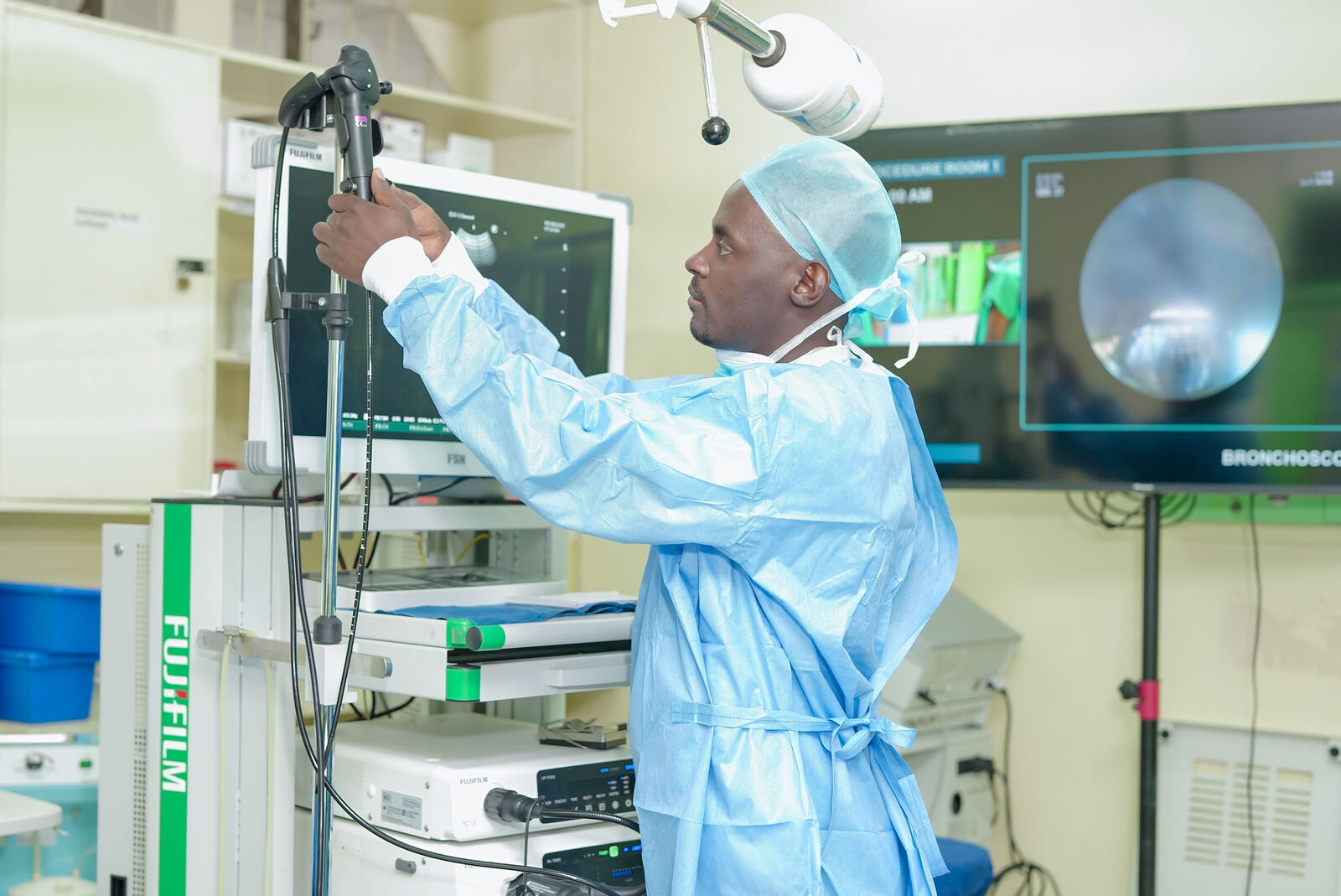
This makes the availability of appropriate diagnostic expertise particularly important. Where specialized procedures are accessible and clinicians are familiar with their use, patients may have a clearer pathway from suspicion to diagnosis and, ultimately, treatment planning.
The Mombasa workshop contributed to that conversation by bringing attention to the practical skills and collaborative approaches required to investigate complex thoracic conditions.
Its setting at Coast General Teaching and Referral Hospital also provided an important context for learning within a major referral environment, where clinicians encounter a diverse range of respiratory and thoracic presentations.
When Different Disciplines Come Together
Lung disease does not fit neatly into the boundaries of a single specialty.
A patient may require the expertise of a pulmonologist, thoracic surgeon, radiologist, pathologist, anaesthetist, oncologist, nurse, or other healthcare professional at different stages of the diagnostic and treatment journey.
The workshop therefore emphasized the importance of multidisciplinary collaboration.
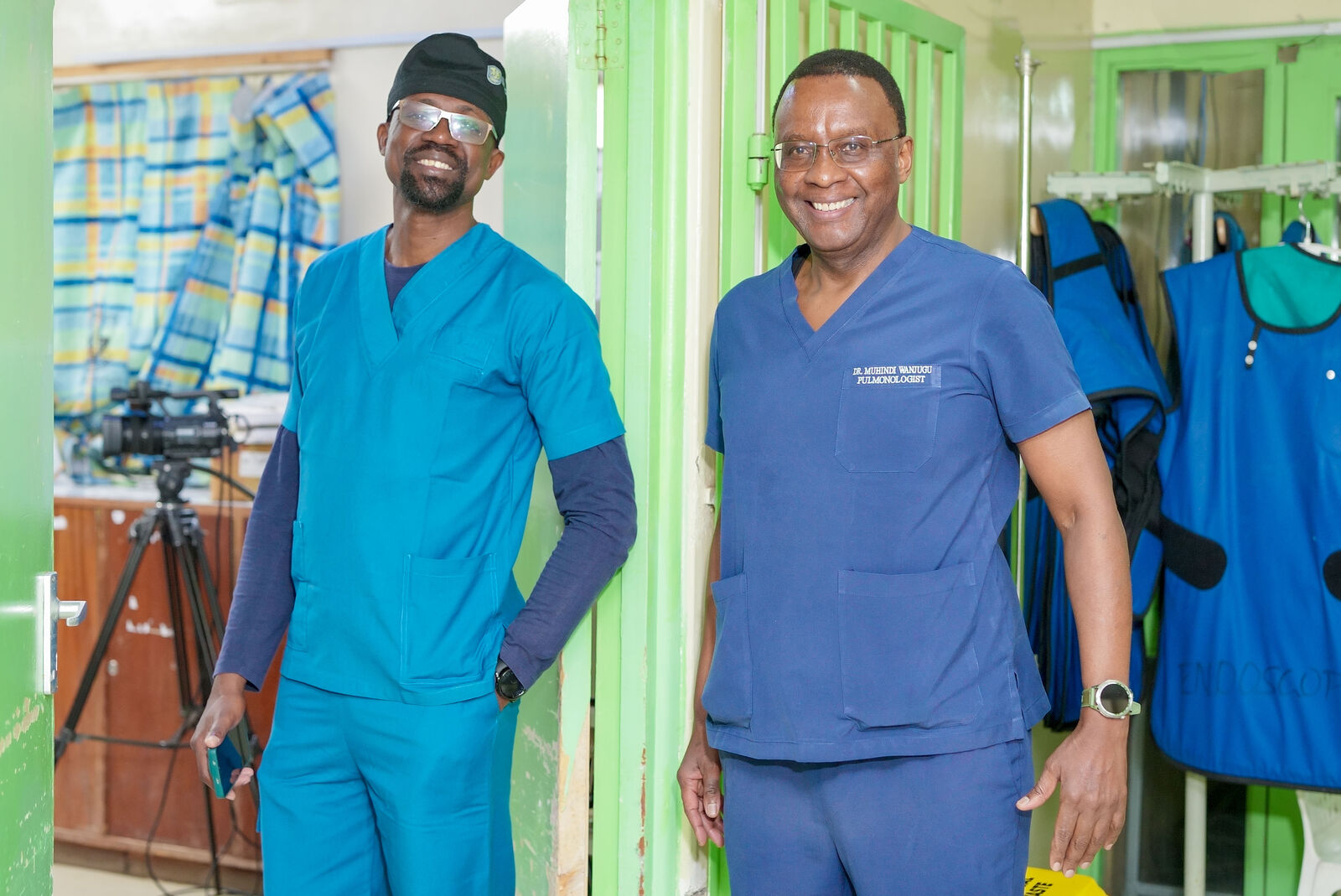
Bringing different areas of expertise together allows clinical decisions to be considered from multiple perspectives. Imaging findings can be discussed alongside procedural options. Pathological information can be interpreted in the context of the patient's clinical presentation. Surgical and non-surgical approaches can be considered together.
For patients, this can translate into more coordinated decision-making and a clearer understanding of the available options.
The multidisciplinary approach also reinforces an important reality of modern lung health: improving outcomes is rarely the responsibility of one professional working alone. It is the result of different skills and perspectives coming together around the needs of the patient.
Beyond the Procedure
While technical expertise formed a major part of the workshop, the conversations around lung disease extended beyond the procedure room.
Patient education and community awareness remain important components of improving outcomes, particularly for conditions such as lung cancer that can be surrounded by fear, misconceptions, and stigma.
A patient who understands why a biopsy is being recommended may be better positioned to participate in decisions about their care. Similarly, communities that are more aware of respiratory symptoms and potential risk factors may be more likely to seek medical attention when concerns arise.
Reducing stigma also matters.
Conversations about lung cancer and other serious respiratory conditions can sometimes be shaped by assumptions about blame, lifestyle, or personal responsibility. Creating space for accurate information and open dialogue can help shift the focus towards early recognition, appropriate care, and support for people affected by disease.
In this sense, improving lung health extends beyond what happens inside a hospital. It also involves how communities understand respiratory disease and how confidently people seek care when they need it.
Putting Knowledge to Work for Patients
At the centre of every diagnostic procedure is a person waiting for answers.
For someone with a suspicious lung lesion, the uncertainty can be overwhelming. Questions about what the finding means, whether it is cancer, what treatment might be required, and what the future holds can weigh heavily on patients and their families.
A well-performed diagnostic procedure cannot remove all of that uncertainty, but it can help replace speculation with evidence.
The ability to obtain an appropriate sample, interpret the findings accurately, and bring the right specialists together around the results can help move a patient forward.
That is ultimately where the importance of workshops such as this lies. The techniques demonstrated and practised are not simply procedural skills; they are tools that can help clinicians answer important questions and guide the next stage of a patient's care.
Advancing Lung Health Through Collaboration
The Lung Biopsy Workshop in Mombasa reflects the broader importance of continuous professional learning in respiratory and thoracic medicine.
As diagnostic technologies and treatment approaches continue to evolve, healthcare professionals need opportunities to remain familiar with emerging techniques while sharing experiences from clinical practice.
For the Respiratory Society of Kenya (ReSoK), supporting education, training, research, and technical collaboration is part of a wider commitment to promoting and improving lung health in Kenya and beyond.
The Mombasa workshop brought that spirit to life by creating an environment where clinicians could learn together, exchange knowledge, and engage with procedures that have an important role in the diagnosis of serious respiratory conditions.
The contribution of the faculty, clinicians, partners, and institutional teams involved was central to making the programme possible. Their collaboration demonstrated what can happen when expertise and resources are brought together with a shared focus on better respiratory care.
The impact of such an initiative does not end when the workshop closes. The knowledge gained travels with participants back into their clinical environments, where it can inform practice, support colleagues, and ultimately benefit patients.
From the procedure room in Mombasa to the wider communities that depend on quality respiratory services, every step towards better diagnosis brings lung health closer to where it needs to be: at the centre of timely, informed, and patient-focused care.