Advancing Access to Minimally Invasive Pleural Procedures
A patient with fluid accumulating around the lungs may arrive with something as seemingly simple as shortness of breath or persistent chest discomfort. Yet behind those symptoms can lie a range of conditions - from infection and tuberculosis to malignancy - each requiring careful investigation before the right treatment can begin.
Finding the cause is therefore an important part of caring for a patient with pleural disease.
This was the focus of the Two-Day Pleuroscopy Camp, an initiative that brought together clinicians, nurses, and support teams to provide specialized pleural procedures while creating an environment for practical learning and professional collaboration.
At the centre of the camp was pleuroscopy, a minimally invasive technique that allows clinicians to examine the pleural space directly and, when necessary, obtain tissue samples to help establish a diagnosis.
But the value of the camp extended beyond the procedure itself. It brought together clinical expertise, technology, teamwork, and patient care around a common goal: helping people with pleural disease move more quickly from unexplained symptoms to answers and appropriate care.
When Breathing Problems Need a Closer Look
The pleura - the thin layers of tissue surrounding the lungs - can be affected by a number of diseases.
One of the most common clinical challenges is an unexplained pleural effusion, where excess fluid collects around the lung. Although a pleural effusion can have several causes, determining exactly why the fluid has accumulated is essential to deciding how the patient should be managed.
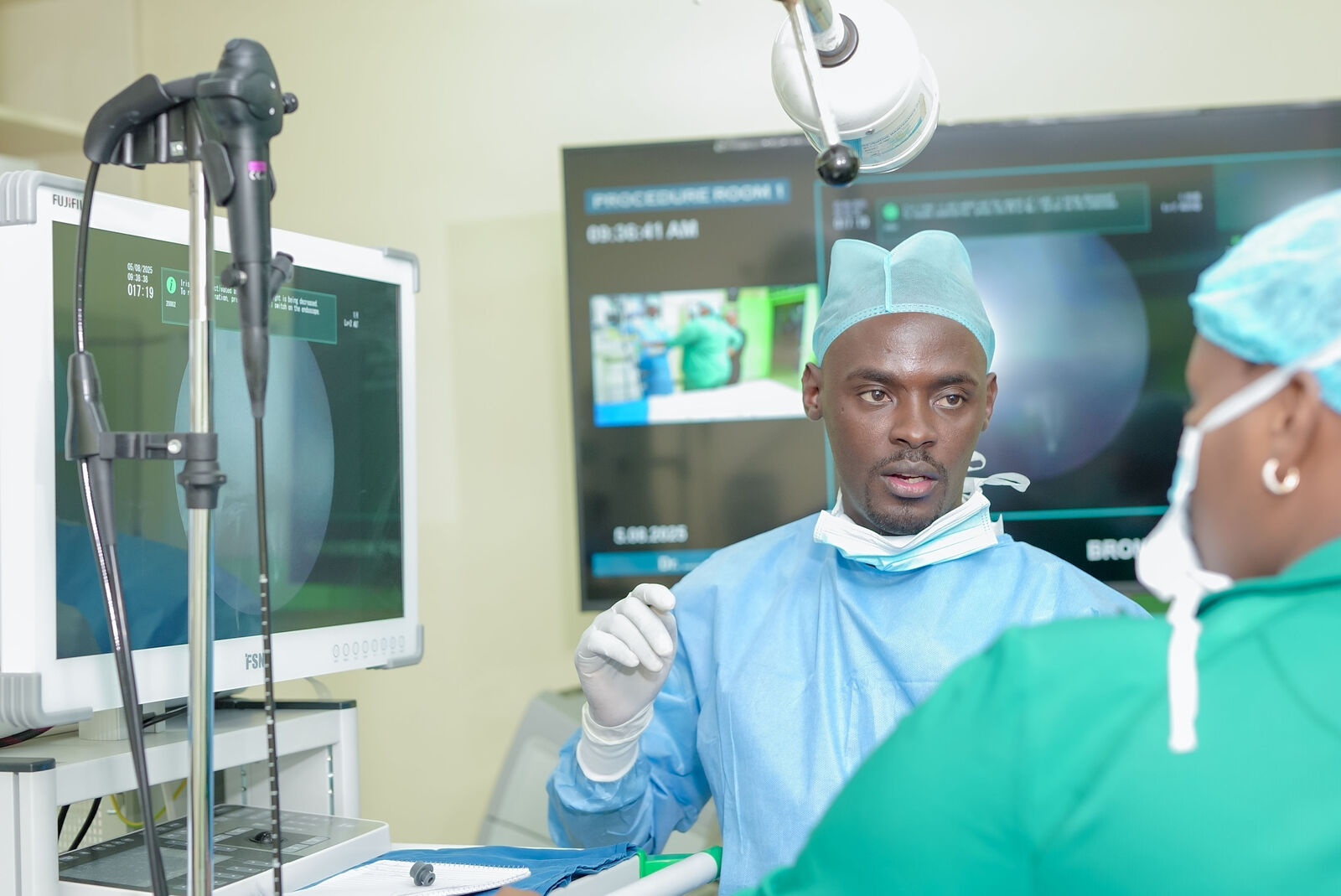
Sometimes routine investigations provide the answer. In other cases, they do not.
This is where more specialized procedures can become important.
Pleuroscopy allows clinicians to look directly into the pleural space and identify abnormalities that may not be adequately characterized through other investigations. It can also enable targeted biopsies, providing tissue that can be examined to help establish the underlying cause of disease.
For patients and families waiting for a diagnosis, that additional information can be crucial.
Seeing Beyond the Surface
One of the strengths of pleuroscopy is its ability to bring clinicians closer to the source of a patient's problem.
Instead of relying solely on symptoms or imaging findings, clinicians can directly assess the pleural space and identify areas that require further investigation. Where appropriate, tissue samples can then be obtained for diagnostic evaluation.
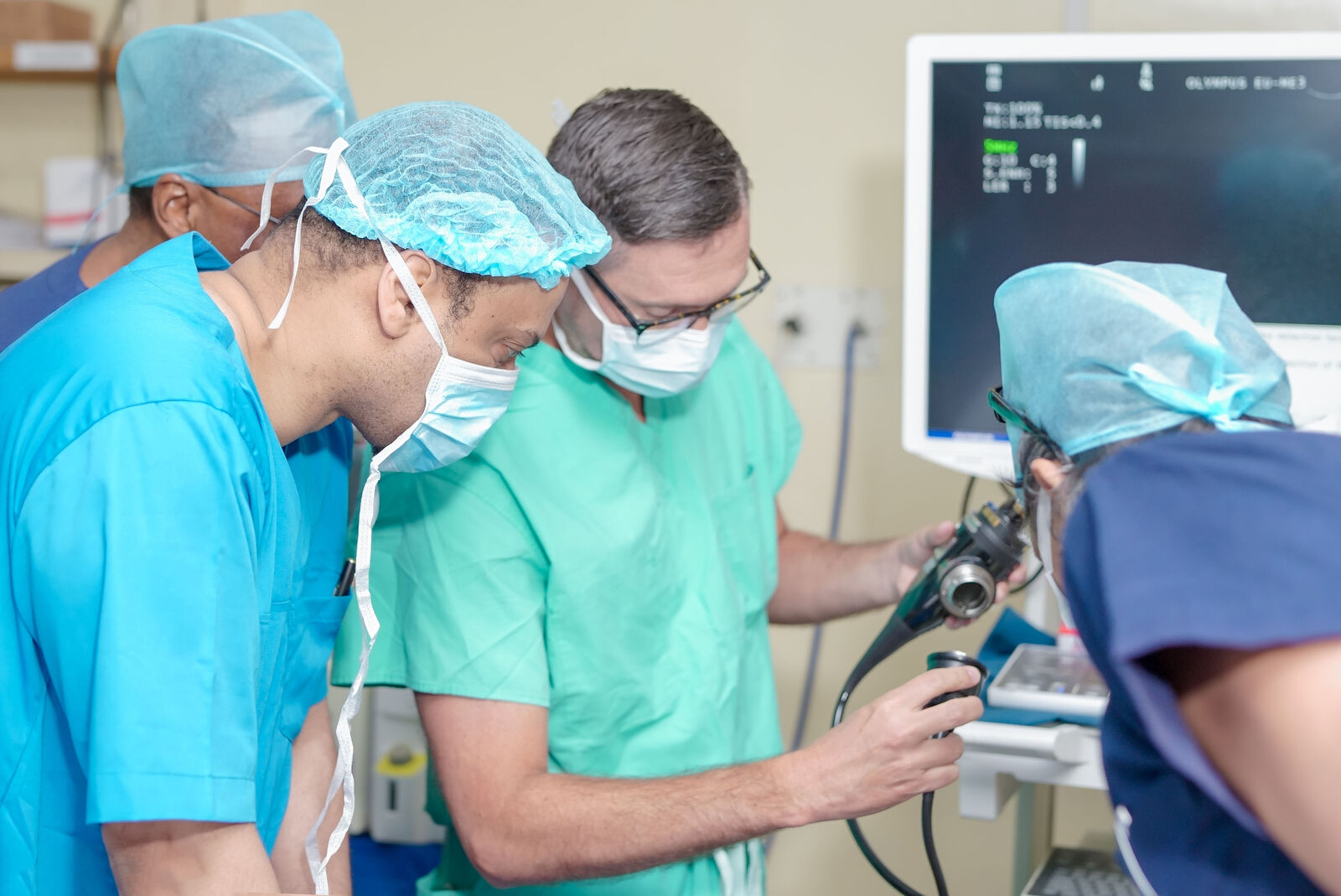
This can be particularly important when malignancy is suspected.
A diagnosis of cancer carries enormous implications for a patient. Before treatment decisions can be made, clinicians need reliable information about what they are dealing with. Obtaining an appropriate tissue sample is therefore not simply another step in an investigation - it can be the step that provides the clarity needed to determine what comes next.
For other patients, pleural disease may be associated with infection or inflammatory conditions, making accurate diagnosis equally important in guiding treatment.
Learning Through Real Clinical Practice
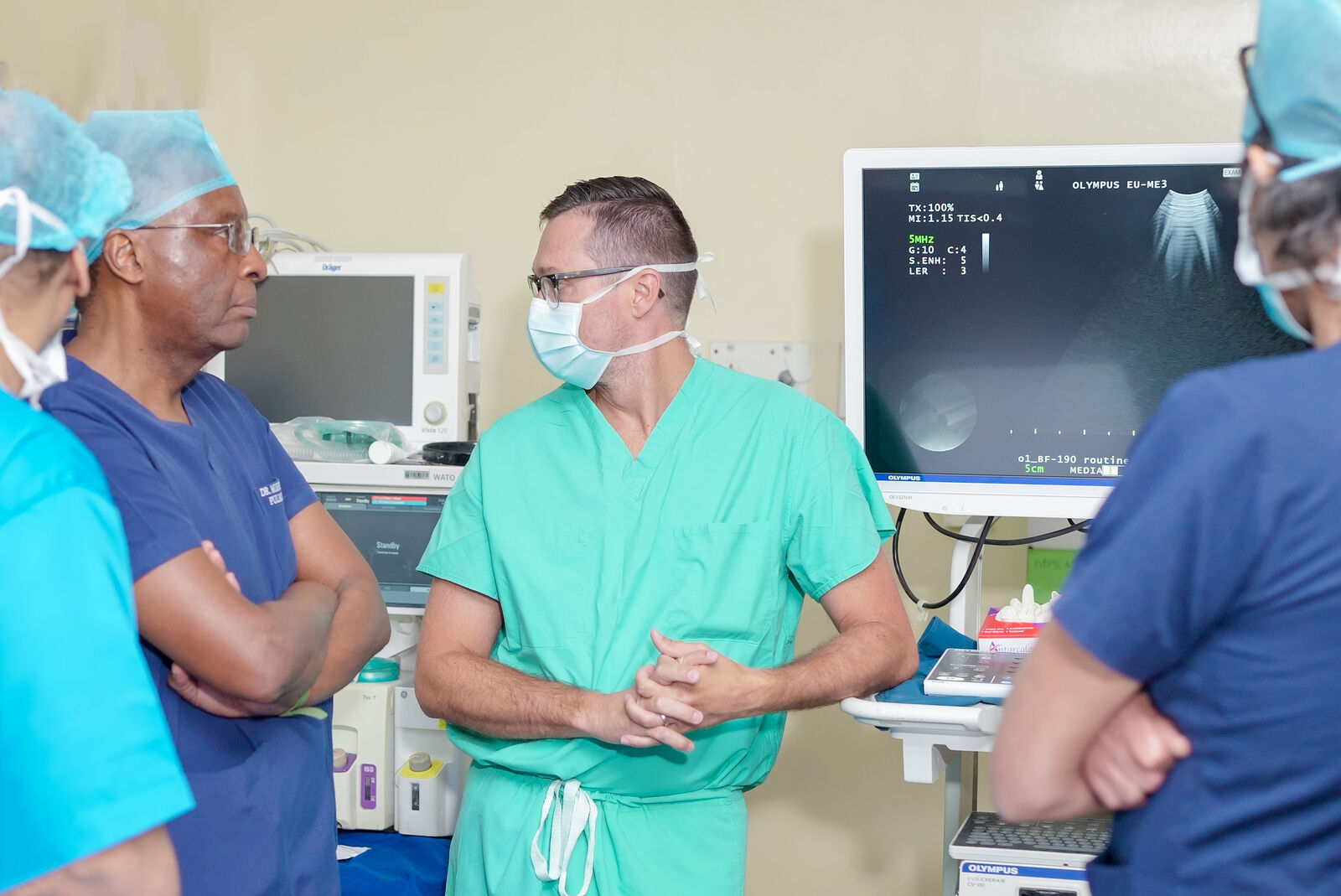
The Two-Day Pleuroscopy Camp combined patient care with hands-on learning.
For the healthcare professionals involved, the procedure room became a space for practical exchange - where techniques could be observed, discussed, and applied in a real clinical environment.
Pleural procedures require more than technical familiarity. They involve patient assessment, imaging interpretation, procedural planning, equipment preparation, infection prevention, specimen handling, and close monitoring throughout and after the intervention.
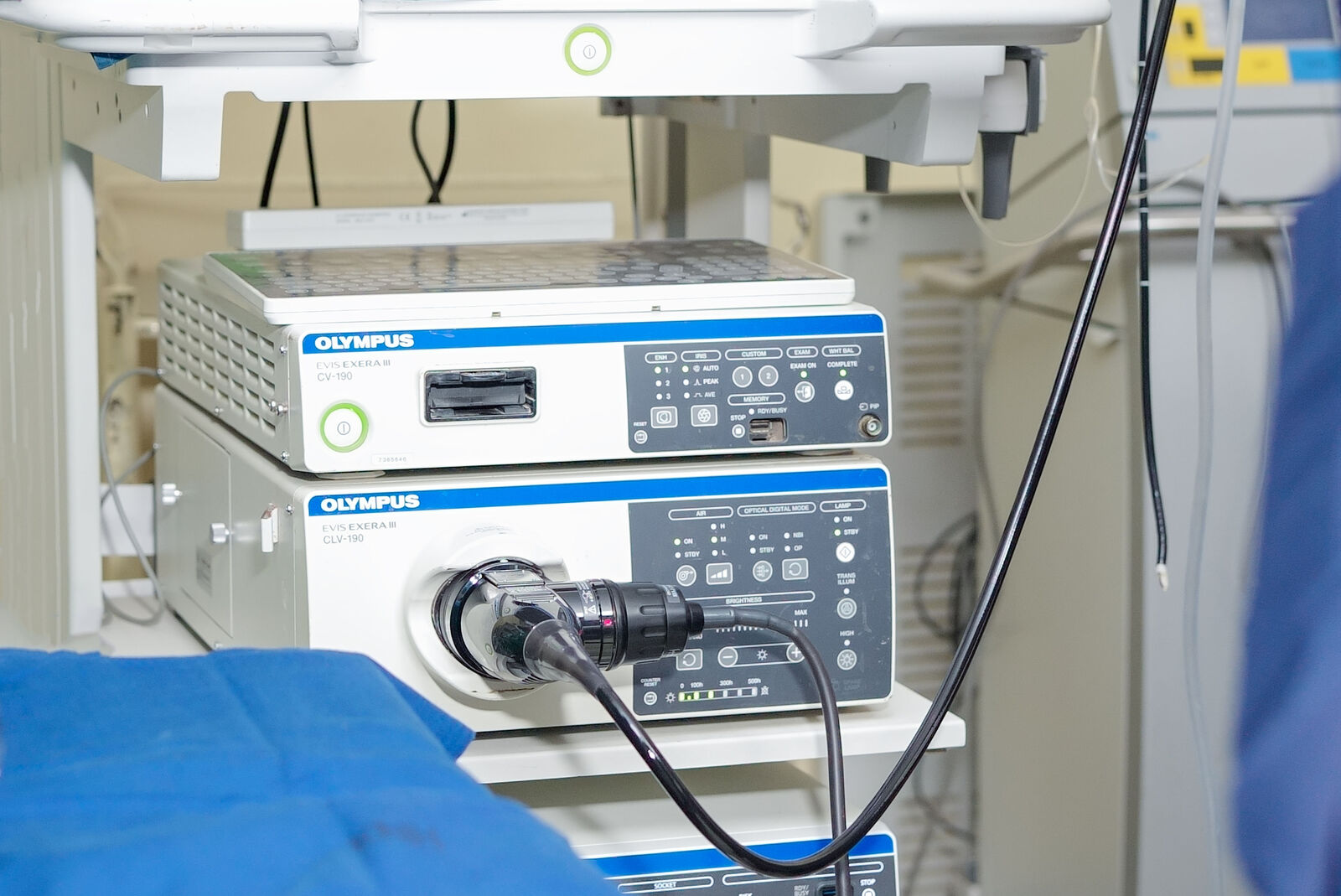
Working alongside experienced colleagues provided opportunities to appreciate these different components as part of one continuous process.
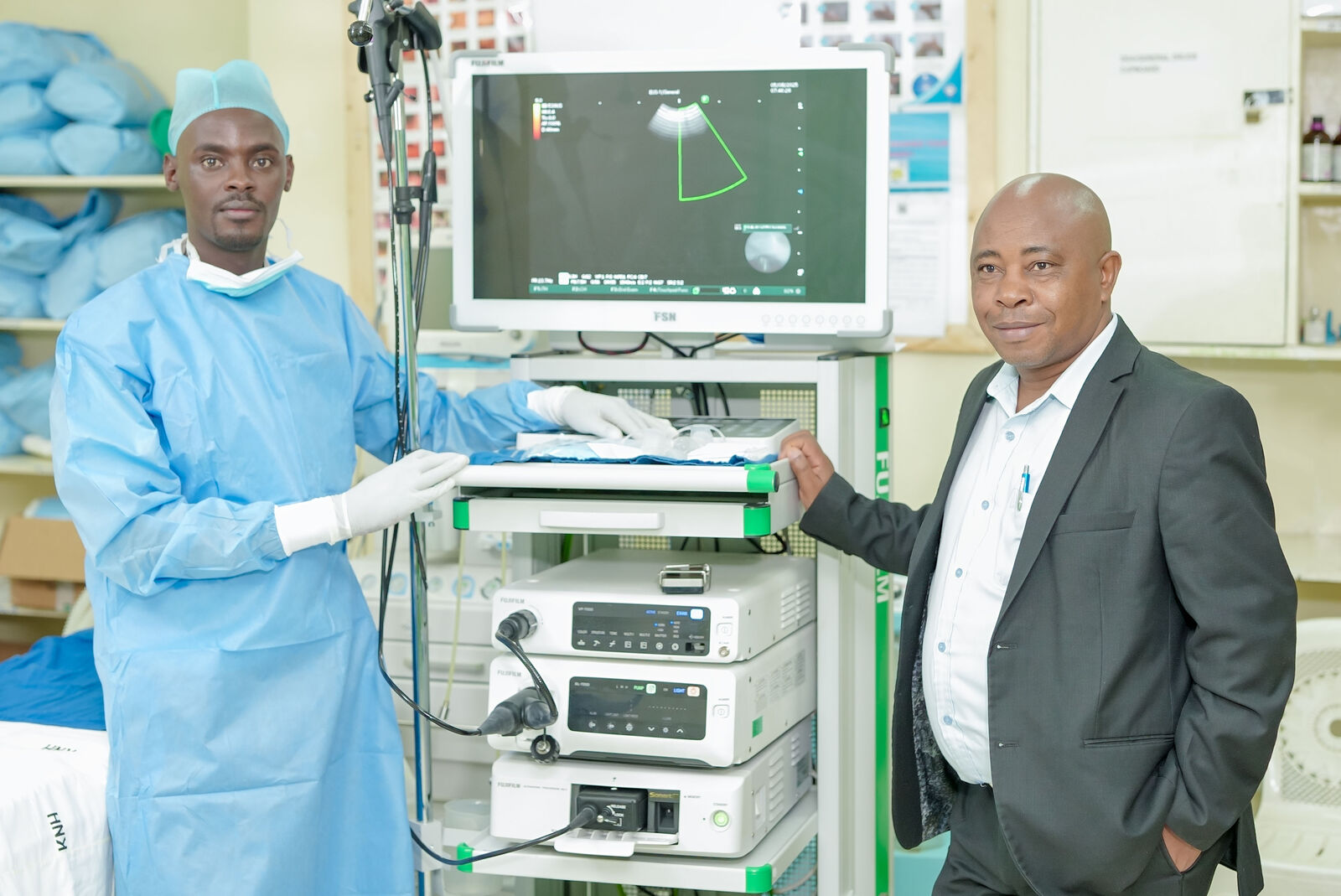
The camp also reinforced the importance of ultrasound-guided pleural care, which can assist clinicians in identifying pleural fluid and planning procedures more safely and precisely.
Bringing these elements together helps create a more complete approach to pleural disease - one that considers not only the procedure, but the patient before, during, and after it.
Teamwork Behind Every Procedure
A successful pleural procedure is rarely the work of one person.
Behind the clinician performing the procedure is a wider team preparing equipment, supporting the patient, monitoring their condition, handling specimens, maintaining safety standards, and ensuring appropriate follow-up.
The camp highlighted the importance of this multidisciplinary approach.
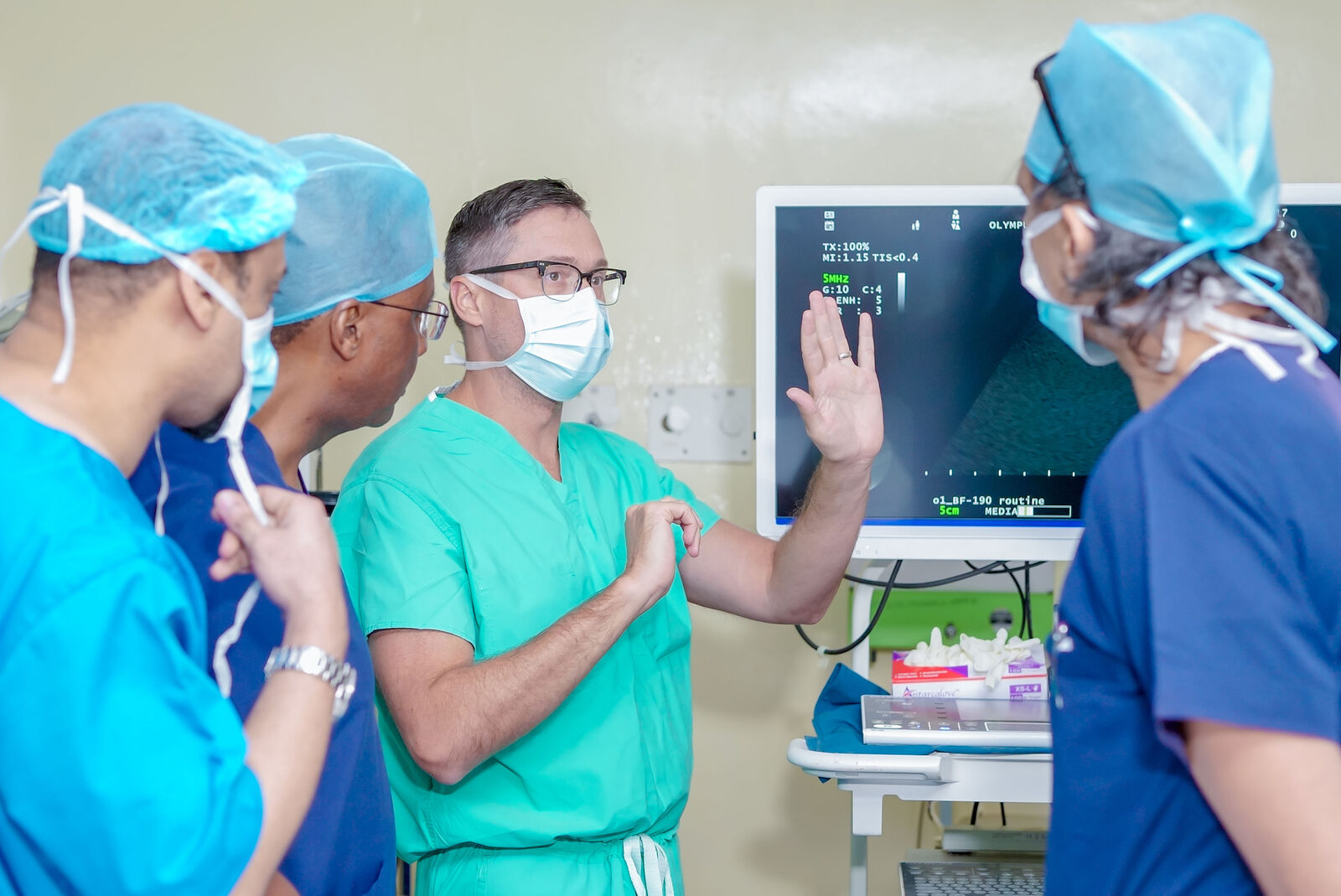
Clinicians and nurses worked alongside support teams to coordinate different stages of patient care. Such collaboration is especially important when working with procedures that require careful preparation and monitoring.
For the patient, this teamwork may not always be visible. But it is an important part of ensuring that care is organized, safe, and responsive to individual needs.
From Diagnosis to the Next Step
A diagnostic procedure only becomes meaningful when its findings can be used to guide patient care.
The samples and observations obtained during pleuroscopy can contribute to establishing a diagnosis, helping clinicians determine the most appropriate next steps.
For a patient with an unexplained pleural effusion, this may mean finally understanding why the fluid has accumulated. For someone with suspected malignancy, it may provide the evidence needed to move towards definitive diagnosis and treatment planning.
In this sense, the impact of the camp goes beyond the procedure room.
It lies in helping shorten the distance between a patient's first unanswered question and the care that follows.
Putting the Patient First
The Osler quote at the heart of this story speaks to something fundamental about medicine: patients are more than the diseases they carry.
A pleural effusion is a clinical finding, but behind it is a person who may be struggling to breathe, worried about what the symptoms mean, or anxious about what a possible diagnosis could bring.
Specialized procedures should therefore be considered not only in terms of technical achievement, but in terms of what they make possible for that person.
A more precise diagnosis can reduce uncertainty.
A timely intervention can relieve symptoms or guide treatment.
Clear communication can help a patient understand what is happening.
And careful follow-up can ensure that care continues after the procedure itself.
This patient-centred approach is essential to improving the experience and outcomes of people living with respiratory disease.
Growing Expertise Through Shared Experience
The Two-Day Pleuroscopy Camp also provided an opportunity for healthcare professionals to deepen their practical experience in pleural medicine.
Specialized respiratory procedures continue to evolve, and ongoing learning is an important part of maintaining high standards of care. Creating opportunities for clinicians to learn together allows knowledge and experience to move between teams and institutions.
For ReSoK, this aligns with its commitment to improving lung health through education, training, research, and technical support.

Such initiatives create a link between professional development and patient care. What is learned during a procedure today can influence how another patient is assessed tomorrow.
Over time, that exchange of knowledge can help create a stronger and more connected respiratory community.
Looking Beyond the Camp
The significance of the Two-Day Pleuroscopy Camp is not limited to the patients seen or procedures performed during the two days.
Its wider value lies in the relationships built, the knowledge exchanged, and the experience carried forward by the healthcare professionals involved.
It demonstrates what can happen when clinical expertise and teamwork are brought together around a specific patient need.
For ReSoK, collaboration remains an important part of advancing lung health in Kenya and beyond. Working alongside healthcare professionals, institutions, partners, and support teams creates opportunities to bring specialized knowledge closer to the communities that need it.
Pleural disease may begin with a symptom that seems difficult to explain. But with the right expertise, appropriate technology, and a coordinated approach to care, that uncertainty can begin to give way to answers.
And behind every procedure, every sample, and every diagnosis is the person who matters most - the patient.